Get Full Government Meeting Transcripts, Videos, & Alerts Forever!
Get email alerts on the Land Use topic
No spam. Unsubscribe anytime.
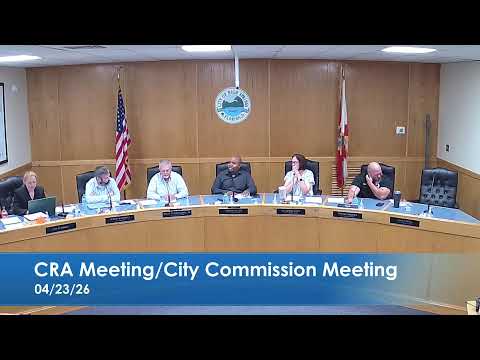
High Springs commission approves ordinance allowing alternates on plan board
Summary
The commission voted 3–1 to adopt Ordinance 2026-02, which amends the land development code to create alternate members for the plan board and sets qualifications and appointment procedures; commissioners debated whether alternates should automatically fill vacated permanent seats.
The High Springs City Commission voted to adopt Ordinance 2026-02, amending the city’s land development code to permit alternate members on the plan board.
City attorney said the ordinance incorporated edits the commission requested and that the changes were made by the North Central Florida Regional Planning Council. “This is ordinance number 2026-02, an ordinance of the City of High Springs, Florida providing for an amendment to the land development code to permit alternates on the plan board,” the city attorney said.
Commissioners asked whether the language should be mirrored for the Historic Preservation Board and discussed whether alternates should automatically assume a permanent seat if a vacancy occurs. One commissioner framed alternates as a useful probationary role: alternates can step in immediately for short-term vacancies and then be considered for permanent appointment if desired. Another commissioner pushed for automatic elevation to avoid repeated paperwork and votes.
A motion to adopt the ordinance was made and seconded and passed on roll call 3–1 (Mayor Andrew Miller — No; Vice Mayor Bloodsworth — Yes; Commissioner Grunder — Yes; Commissioner Howe — Absent; Commissioner White — Yes).
The ordinance text states it establishes qualifications for alternate members, repeals conflicting ordinances and provides for an effective date. The commission did not alter the draft’s approach to alternates during the meeting; staff will return the ordinance for final action per the city’s normal ordinance-adoption procedures.
The decision follows discussion at the prior meeting and reflects edits from the regional planning council intended to match the commission’s direction. The item drew brief public and commissioner discussion but no further amendments were proposed.