Get AI Briefings, Transcripts & Alerts on Local & National Government Meetings — Forever.
Trustees hear first readings on 2028 capital‑guidelines and FY2027 budget; staff propose 6.25% system‑average tuition increase
Loading...
Summary
Minnesota State staff presented first readings of 2028 capital budget guidelines (no new large line‑item projects while a systemwide facilities plan is developed) and the FY2027 operating budget (a proposed 6.25% system‑average undergraduate tuition parameter, projected to generate roughly $60M but leave a ~$20M gap due to rising costs). Trustees pressed for student‑impact data and more clarity on system priorities.
Trustees in Minnesota State’s finance and facilities committee received first readings of two major planning items: the 2028 capital budget guidelines and the FY2027 annual operating budget.
On capital priorities, Associate Vice Chancellor Swanson said staff plan to use the same four‑bucket approach used in prior cycles—HEAPR (Higher Education Asset Preservation and Replacement), line‑item projects, learning environments (small academic remodels linked to workforce demand), and demolition/environmental remediation—and to pause initiation of predesigns for major new line‑item projects while a systemwide strategic facilities planning effort proceeds. "Given the timing of the proposed system wide planning effort, the results of which will inform future investment decisions, new projects will not be considered," Swanson told the committee. Staff described the system’s current request context: a total system request figure cited in the presentation was $464,000,000, with HEAPR requests and other line items shown for planning purposes.
Swanson and Mackey also explained how debt and operating costs are shared for different project types: HEAPR projects are presented as state‑covered for debt, line‑item projects as two‑thirds state debt with the remainder split between a systemwide line and the institution, demolition projects funded with cash (debt not allowed), and revenue‑fund projects paid fully by campuses. Staff flagged construction‑cost escalation and said the $60 million HEAPR appropriation obtained most recently is the largest the system has received since 2002.
On the operating side, Vice Chancellor Mackey framed the FY27 discussion around proposed tuition parameters. Mackey said the system is proposing a system‑average undergraduate tuition increase of 6.25% and presented an institutional‑tier approach that translates percentage ceilings into dollar increases at the college level (a $257 baseline increment for some community/technical colleges, higher dollar increases for others reflecting program mix and historically low tuition rates). He summarized projected budget math: a 6.25% systemwide undergraduate increase would generate about $60,000,000 in additional revenue (roughly $50M from the increase and $10M from enrollment gains). Estimated expense increases (compensation, health insurance and other costs) could total roughly $80,000,000, producing a system‑level shortfall on the order of $20,000,000 under that scenario.
Trustees pressed staff for more data on how tuition increases would affect students, asking for updated ‘‘Benson‑style’’ charts and information on student debt loads and net cost after grants; Mackey and legislative‑affairs staff said they will supply additional analysis and the formal student‑consultation letters that institutions submit under policy. Several trustees said repeated high percentage increases are not sustainable for students; student trustees and presidents asked that the views of student governments be visible in the May packet.
Committee members also discussed proposed FY27 green‑sheet shifts: staff proposed moving $3,000,000 from the debt‑service line item to pay for PFAS remediation investigative work at the Lake Superior College Emergency Response and Training Center (paired with $500,000 one‑time funding already received), and shifting $1,000,000 from collaboration funding to support enterprise shared services. Staff said they will bring the full FY27 appropriation proposals and institution schedules to the May meeting for approval.
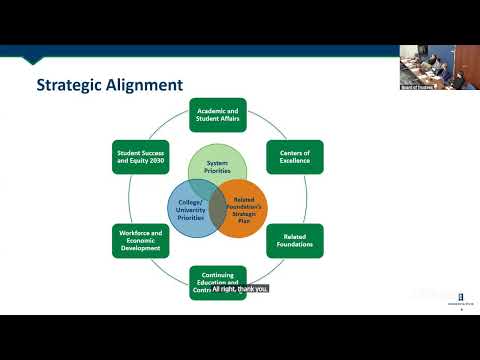
Trustees and presidents emphasized the need to align facilities decisions with academic priorities and workforce needs and requested clearer systemwide priorities in June once the strategic facilities planning effort is further developed.
What’s next: Staff will include detailed institution‑level tuition and fee proposals and student consultation letters in the May board packet and return in June with allocation‑framework proposals that affect FY28 and beyond.