Get Full Government Meeting Transcripts, Videos, & Alerts Forever!
Get email alerts on the Education Culture Inclusion topic
No spam. Unsubscribe anytime.
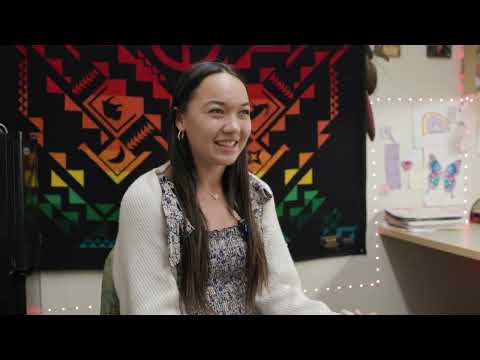
Students and liaisons say North Kitsap schools are expanding Native cultural inclusion
Summary
Students, staff and Native education liaisons in a district transcript said schools are increasingly embedding tribal culture—through ceremonies, language instruction, graduation regalia and community presenters—and urged continued outreach and liaison staffing to sustain progress.
Students, staff and Native education liaisons who spoke in a North Kitsap School District transcript described growing inclusion of Native culture across classrooms and school events, and urged continued partnership with local tribes.
"Growing up in a school and community where my culture is integrated and celebrated is comforting," a student said, adding that cultural practices are "honored rather than put off to the side." Several speakers said that visibility—song and dance, language lessons and traditional regalia—helps students feel they belong.
Speakers described concrete changes: kindergarteners learning Lushootseed through a Suquamish language program; cultural-day demonstrations by fishermen, weavers and canoe makers; and more graduates wearing beaded or cedar caps and eagle feathers. "I've seen a lot more students wanting to wear their graduation caps, beaded caps, cedar caps, eagle feathers," a staff member said, calling the trend "a huge improvement."
Multiple presenters highlighted the role of Native American education liaison positions. A former liaison said those roles create a safe space where students can seek help with culture, identity and academics and that the positions "are valuable when you have a space inside of a school where students know where they can go." Speakers urged hiring more liaisons or tribal academic coaches so students have regular access to culturally aligned support.
Several speakers also stressed outreach both ways: inviting tribal members into schools for events and field trips, and inviting school administrators to tribal community gatherings such as powwows and canoe journeys to build trust. "When they see you in places outside of school and you're coming into their world, it makes the students and the parents feel a lot better," one community member said, noting historical trauma that has made trust difficult.
Speakers encouraged districts without active partnerships to reach out to tribal education departments or tribal councils to start programs, pointing to the North Kitsap area’s relationship with local tribes as a model for language instruction and cultural programming. There were no recorded formal votes or motions in the transcript; speakers framed their comments as requests and examples rather than policy enactments.
The discussion closed with calls for continued dialogue, more liaison positions and ongoing family and community engagement to sustain cultural inclusion in schools.