Get AI Briefings, Transcripts & Alerts on Local & National Government Meetings — Forever.
East Hampton supervisor outlines local ‘public safety and accountability’ law, schedules May 7 public hearing
Loading...
Summary
Supervisor Kathy Burke Gonzalez described a proposed Chapter 211 local law meant to protect immigrant residents by limiting municipal cooperation with civil immigration enforcement, setting a May 7 public hearing, creating a 12‑member task force and requiring notification and response timelines for town officials.
Kathy Burke Gonzalez, East Hampton town supervisor, said the town will hold a public hearing on a proposed local law called the “public safety and accountability law” (Chapter 211) on Thursday, May 7 at 6 p.m. at town hall, with a call‑in option on LTV.
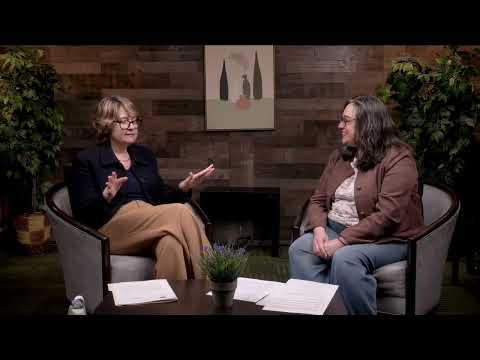
The law, she said during an April interview on LTV’s Sit Down with a Supervisor, is intended to build trust with immigrant residents by restricting use of town resources for federal civil immigration enforcement unless officers present a judicial warrant. “We’re not going to be deputizing police officers to work with ICE,” Burke Gonzalez said, adding the town seeks to ensure people do not live in fear of leaving their homes, attending school or seeking medical care.
The local law draft originated with an organization referred to in the interview as Ola and was revised locally; Burke Gonzalez said former Assemblyman Fred Thiel contributed an early draft. The supervisor described a 12‑member community task force the town plans to form, with representatives from the school district, the food pantry, Latino business owners, nonprofit advocates and an immigration attorney, to advise the board and inform recommendations. The draft would require the chief of police to notify the town supervisor within 24 hours after a federal enforcement action in town and would require the town board to respond to the task force’s recommendations within 30 days.
Burke Gonzalez said the town re‑engaged a Latino advisory committee this year that has reviewed the draft twice; she said the revived committee has about 22 members and includes three ex officio town staff members: the supervisor, Liliana Rodriguez (Spanish‑speaking case manager in human services) and police officer Daniel Munoz, both of whom speak Spanish.
She described one multi‑agency enforcement action on Bluff Road in July 2025 as an isolated incident in East Hampton but said such operations have contributed to fear that reduces clinic attendance and canceled events. “We need to have a law like this on the books so that we can build trust,” Burke Gonzalez said.
The town board has opened the public record; residents may submit written comments by emailing or sending letters to Town Clerk Michael Hansen before the public hearing. On the night of the hearing, residents may speak at the podium or call in on LTV. Burke Gonzalez said the town will allow letters to be read into the record and will provide call‑in access for those who are afraid to attend in person or face language barriers.
The town board also sent a signed letter to the town’s federal representatives requesting federal rules or measures requiring notification to local police within 12 hours when Homeland Security removes someone from the community, so families can be informed of a loved one’s location. Burke Gonzalez said the board had asked Senators Schumer and Gillibrand and the town’s member of Congress to consider such measures.
If the board adopts the local law after the public‑hearing process, the law must be filed with the New York Department of State before it is incorporated into the town’s code book, a step Burke Gonzalez said typically causes a lag between adoption and official codification.
The supervisor said she expects substantial public comment and that the board typically waits until a later meeting to adopt major resolutions rather than voting immediately after a hearing. The public hearing is scheduled for May 7 at 6 p.m. at town hall and on LTV; members of the public may submit comments in advance to the town clerk.
The interview closed with an agreement to revisit the topic on a future edition of the program.