Get Full Government Meeting Transcripts, Videos, & Alerts Forever!
Get email alerts on the School Reconfiguration topic
No spam. Unsubscribe anytime.
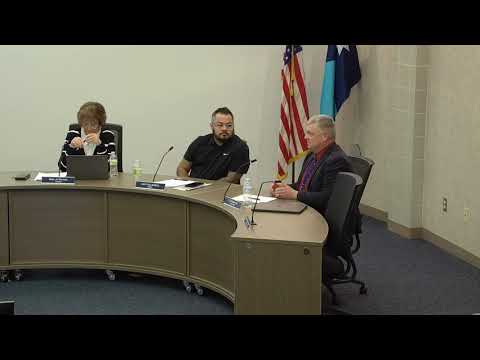
Albert Lea board adopts Option 1 to reorganize schools into 7–12 high school
Summary
The Albert Lea School Board voted unanimously to adopt ‘Option 1’ — a reconfiguration creating three K–4 schools, a 5–6 intermediate school and a 7–12 high school — while directing administrators to monitor capacity, transportation and special programs during implementation.
The Albert Lea Area Schools School Board unanimously approved a reconfiguration plan that will move to a 3 K–4, 5–6 intermediate and 7–12 high‑school structure. Chair Klotz called the voice vote after trustees debated the plan and announced, “Motion passes 7 0.”
Superintendent Dr. Heil framed the decision as “we only got one chance to get it right,” urging careful study of transportation, walk zones and building capacities before the new structure opens. Trustees said the plan reduces the number of school transitions for students and frees high‑school space for career and technical education and expanded fine‑arts offerings.
Board member comments emphasized the need for administrative leadership for middle‑grade students. One trustee said the district must provide “a principal for that grade and better be, I hope it’s Tyler,” stressing the importance of a dedicated 7–8 administrative structure so the middle‑school philosophy can be preserved even inside a larger high‑school building.
The board directed district staff to continue studying enrollment, special‑education and English‑learner space needs and to return with implementation details. Superintendent Heil said the district would monitor boundaries and make incremental adjustments as necessary, acknowledging that “five years from now, it could alter a little bit where it is.”
The vote followed public‑facing task‑force work and community meetings, which administrators said produced several hundred survey responses and dozens of meeting attendees. Trustees said the community input helped shape the recommended plan.
Next steps include detailed capacity studies, transportation planning and staffing plans for the proposed grade reconfiguration; the board did not set a final implementation date in the meeting.