Get Full Government Meeting Transcripts, Videos, & Alerts Forever!
Get email alerts on the Energy Policy topic
No spam. Unsubscribe anytime.
House passes Utility Relief Act after extended floor fight over scope and pace of energy reforms
Summary
After hours of debate, the House approved House Bill 1532, an omnibus energy package combining short-term bill relief with longer-term rate‑making reforms, changes to the EMPOWER program and new transmission review rules; the final roll-call was 108-25 in favor.
The House adopted House Bill 1532, an omnibus energy and utility measure that proponents and opponents said would both provide near‑term bill savings and set structural reforms for rate-making and transmission review.
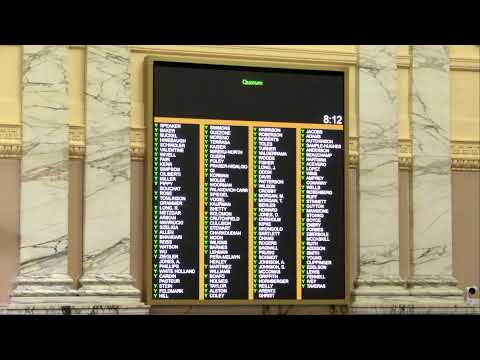
Proponents described a multi-part approach: short-term relief for ratepayers, reforms intended to prevent utilities from recovering projected future costs through forecast test years, adjustments to net metering, steps to centralize and reduce administrative EMPOWER costs and new review authority for major transmission projects. The clerk put the bill on the roll call and the final tally was announced: 108 ayes, 25 nays, with the chair declaring the bill passed after it received a constitutional majority.
During floor debate, lawmakers voiced divergent views.
A lawmaker opposing the bill argued it would not go far enough for many households, saying the package provided only modest monthly relief for residents facing very high bills. A fellow opponent raised concerns that the state’s transition mandates were distorting markets and driving up costs. Another member questioned the bill’s treatment of data centers and their load on the grid.
Supporters pressed that the bill mixes immediate savings with medium- and long-term reforms and that the fiscal note projects sizable near-term savings. A sponsor said the measure “will save money now, and it will save money in the future,” and other proponents pointed to reforms aimed at increasing competition and reducing administrative waste.
What happens next: With the House passage recorded on the floor, the bill moves to the Senate for consideration.
Vote: The clerk recorded the roll call: 108 in the affirmative and 25 in the negative; the chair declared House Bill 1532 passed.