Get AI Briefings, Transcripts & Alerts on Local & National Government Meetings — Forever.
Gresham-Barlow board reviews K–8 social studies curriculum proposals in first reading
Loading...
Summary
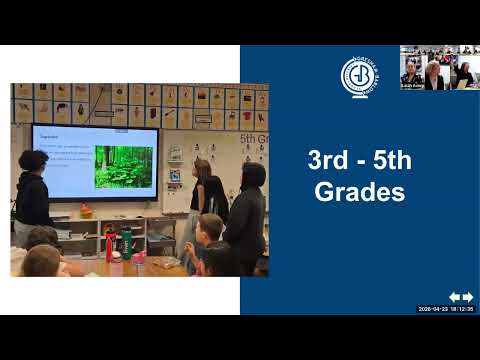
At its April 23 work session the Gresham‑Barlow School District board heard a first reading on proposed K–8 social studies adoptions: K–2 picture‑book supplements with McGraw Hill Wonders, grades 3–5 TCI Social Studies Alive (7‑year subscription ~ $346,000), and middle‑school TCI History Alive (7‑year subscription ~ $445,132).
Gresham‑Barlow School District board members on April 23 received a first reading of recommended social studies instructional materials for the 2026–27 school year, including proposals that would affect kindergarten through middle school.
District presenters said adoption teams and pilots guided the recommendations. "The K–2 adoption team is proposing to adopt McGraw Hill Wonders . . . and the K–2 team is also proposing adoption of some picture books to supplement the standards," a district presenter explained, and staff identified Teachers Curriculum Institute materials for grades 3–5 and middle school. Staff told the board the 7‑year subscription for third through fifth grades is expected to cost no more than $346,000, and the middle‑school History Alive 7‑year subscription is expected to cost no more than $445,132.
Why it matters: Curriculum adoptions affect classroom instruction, vendor contracts and district budgets over multi‑year cycles. Staff said materials were selected to support literacy across K–12, provide Spanish‑language options for DLI students, and include accessibility supports.
District staff described a broad pilot and review process: 38 educators across roles participated in evaluations, teachers at multiple schools requested pilots, and staff conducted empathy interviews with students and gathered feedback from about 37 families at school pickup. Presenters reported overwhelmingly positive student reactions from pilot classrooms and read sample student comments such as, "I learned about the people before us and ancestors and the land before we were here."
Staff also described the subscription model and implementation logistics. The proposed packages combine digital access, teacher guides, videos and consumable student journals; staff said the publisher will provide annual consumables as part of the subscription and the district can adjust the English/Spanish mix year to year within the purchased allocation. Presenters noted advantages to having consumables printed annually so materials can be updated when content changes.
The board did not take action; this was a first reading and staff framed the presentation as informational. The high‑school adoption was postponed because the district is prioritizing work related to Senate Bill 3 and postsecondary pathways. Staff offered to provide QR codes and online previews of the recommended platforms and to bring more detail on costs and implementation at subsequent meetings.
Next steps: The recommendation will return to the board for additional review; staff emphasized that a first reading typically does not result in immediate action and that formal adoption would follow additional review and procurement steps.