Get Full Government Meeting Transcripts, Videos, & Alerts Forever!
Get email alerts on the Staffing Interventionists topic
No spam. Unsubscribe anytime.
Parents and staff urge Batavia USD 101 to keep interventionists and tighten classroom screen time
Summary
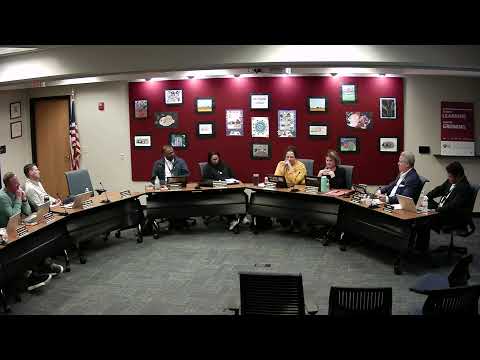
During public comment at the April 21 Batavia USD 101 board meeting, teachers, interventionists and parents urged the board to reverse or clarify staff reductions affecting elementary interventionists and to limit student access to YouTube and classroom screen time.
Alexia Cicerone, an enrichment instructor at HC Storm Elementary, told the Batavia USD 101 Board of Education she was stunned to receive an "honorable dismissal" even though she had been preparing for a kindergarten role and had been working toward a provisional teaching license. "I'm not asking you for an opportunity. I've already proven I can do this job. I'm asking you to recognize it," Cicerone said during the public‑comment period.
Jessica Rivera, who identified herself as an elementary interventionist and parent, described the district's tiered MTSS support and warned that proposed cuts to five of six elementary interventionists would change how tiered services are delivered. "With reduction or elimination of interventionists, this will change," Rivera said, urging the board to preserve supports for academically vulnerable students.
Todd Swanson, an interventionist, explained the functional consequences in tier 3 through tier 0 if dedicated interventionists are removed: specialist caseloads would shift, progress‑monitoring and small‑group instruction could be reduced, and monthly problem‑solving updates would be lost. "We're extremely concerned that those general education students who need the most individualized support will not get what they'd be needing from these staffing cuts," Swanson said.
Administrators responded during the staffing discussion that reductions were driven by enrollment and data. Dr. Steve Pierce (identified in the meeting) said the district "made the decisions with interventionists, based on numbers and data," and that remaining reading specialists, special‑education staff and contingency positions could absorb some duties while the district monitors caseloads and may post hires if enrollment requires.
Several parents also raised technology and supervision concerns. Meredith Davis described multiple incidents in which her first‑grade daughter accessed inappropriate YouTube content on a district‑issued Chromebook and asked the board to "restrict or limit, eliminate YouTube access on elementary school devices." Pediatric speech pathologist Elizabeth Mel urged an evidence‑based screen‑time policy for pre‑K through high school and cited professional research linking early, unsupervised screen use to developmental risks.
Board members and staff acknowledged the urgency of those family concerns and said details about mitigation (filters, supervision responsibilities and procurement/contracts review) will need follow‑up. The public comments and the staffing presentation signaled clear community concern about the impact of personnel reductions and device policies; board members pressed administrators for specifics about caseload reassignments, hiring priorities for honorably dismissed employees and how supervision responsibilities will be handled in before‑ and after‑school care programs.
The board did not take immediate public action to restore positions during the meeting; administrators said they would continue monitoring enrollment, use contingency positions where needed and return to the board if additional hires or reallocations are necessary.