Get Full Government Meeting Transcripts, Videos, & Alerts Forever!
Get email alerts on the Finance Taxes topic
No spam. Unsubscribe anytime.
Oak Grove staff outline parcel‑tax option as one path to fill multi‑million dollar shortfall
Summary
Associate Superintendent Mark Evans briefed the board on parcel‑tax basics, potential rates and timelines and said a voter‑approved parcel tax could help cover recurring budget gaps; staff recommended further community engagement and feasibility research before any final decision.
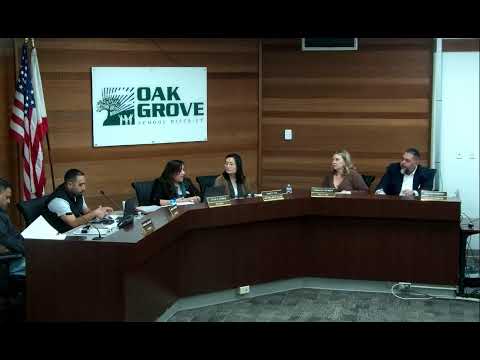
Oak Grove School District staff on Jan. 15 presented preliminary research on a possible parcel tax as a revenue option to address a multi‑million dollar structural deficit, and the board signaled interest in continuing feasibility work and community outreach.
Associate Superintendent Mark Evans described how parcel taxes work, differences from bond ad valorem taxes, and options the district could consider: a flat per‑parcel fee (the district’s current legacy parcel tax is $68 per parcel and has no sunset), a per‑square‑foot model with caps, a duration (commonly 6–10 years), CPI escalation and statutory exemptions (for seniors and eligible low‑income residents). Evans said the district’s current $68 parcel tax generates about $1.7 million annually and that generating enough to close an estimated $10 million structural shortfall would require a substantially higher per‑parcel levy.
"Our current parcel tax is $68 per parcel and generates about $1,700,000 a year," Evans said, adding that to approach the size of the district’s projected gap would require a per‑parcel amount far higher than typical rates in neighboring districts.
Evans noted the legal threshold: a parcel tax placed on the ballot by the governing board requires a two‑thirds majority to pass; staff also described a citizen‑led initiative route that may require a 50% threshold under legal testing. He recommended the gubernatorial election for timing because of typically higher turnout and the need to submit measures to the county by early August for a November election.
Board members and speakers discussed tradeoffs. Trustee questions covered whether parcel tax rates could vary by property type (Evans said developed parcels must be taxed uniformly, though some parcels such as vacant lots can be treated differently), the impact of inflation indexing, and whether the district should pursue a citizen‑led 50% option. Trustee comments also noted recent changes in federal SALT (state and local tax) rules that could influence voters’ willingness to support local tax measures.
Public commenters and the Oak Grove Educators Association representative urged the board to resolve outstanding labor negotiations quickly and to coordinate with unions before moving a parcel tax campaign; OGEA highlighted that its members had ratified a tentative agreement and requested timely AB 1200 submission and transparency from district management.
Evans said next steps would include further research and community listening sessions, and he offered to assemble comparative data from neighboring districts and to model revenue scenarios (including exemptions and duration) for future board consideration. No board vote was taken; the item was informational and staff will continue feasibility work if directed.