Get Full Government Meeting Transcripts, Videos, & Alerts Forever!
Get email alerts on the Special Education topic
No spam. Unsubscribe anytime.
Parents say special‑education changes ‘blindsided’ them; board pledges roundtable
Summary
Multiple parents told the Wayne BOE they were blindsided by a proposed shift to an ICR co‑teaching model for some students with IEPs; the superintendent apologized for communication lapses and the board committed to a public roundtable to answer questions.
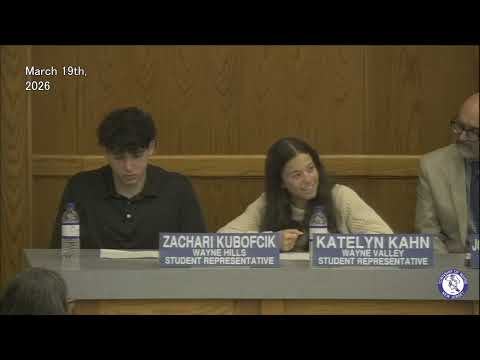
Parents raised concerns about a proposed shift toward an ICR (integrated co‑teaching) model for some students with individualized education programs at the Wayne Board of Education meeting on March 19, pressing the board to protect individualized supports.
Rachel Hecht, who said her daughters attend a Wayne elementary school, told the board she was notified of the proposed ICR change during an IEP meeting on March 10 and felt “completely blindsided and left with no answers.” She said the model risks replacing individualized resource supports that have helped her child with dyslexia gain confidence and make progress.
Melinda Inzani, another parent, urged the board to consider federal and state special‑education requirements, saying, “Under the Individuals with Disabilities Education Act, placement decisions must be based on the individual needs of the child, not as part of a broad programmatic shift.” She said sudden, non‑voluntary transitions can lead to regression and emotional distress for students who rely on predictable supports.
Michael Meach, a military parent, said inclusion must be meaningful and individualized: “Inclusion only works when it truly meets the needs of the child,” he said, adding that deployments make stability and specialized supports particularly important for his daughter.
The superintendent acknowledged communication gaps and accepted responsibility. “As superintendent, I take full responsibility for that,” he said, and promised the administration would provide answers at a planned roundtable in mid‑April so parents and staff can ask questions face to face. Board members echoed the commitment to gather more information and work with the administration before making any broad changes.
No formal vote was recorded on any change to special‑education placement policies at the meeting; the board’s action in the transcript was to request further information and to schedule stakeholder engagement.
Next steps: administrators will return answers to the questions submitted by the board and hold the public roundtable; parents asked that individual IEP teams continue to make placement decisions in students’ best interests in the meantime.