Get Full Government Meeting Transcripts, Videos, & Alerts Forever!
Get email alerts on the Budget topic
No spam. Unsubscribe anytime.
Berkeley Heights board approves preliminary $63.4M budget; district outlines $321 first-year tax impact after referendum
Summary
The Berkeley Heights Board of Education approved a preliminary 2026-27 budget of $63,396,297 that keeps general operating growth within the 2% levy cap while adding a bond-related levy component tied to a March 10 $50 million referendum; administrators estimated a combined first-year homeowner impact of about $321.
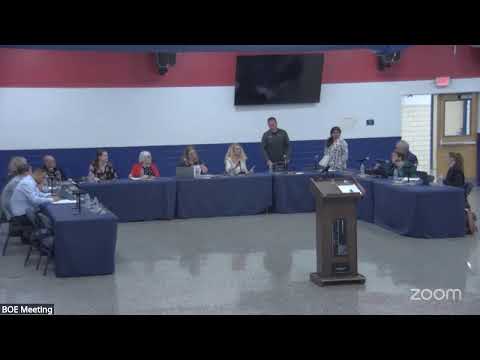
The Berkeley Heights Board of Education on March 30 approved a preliminary 2026-27 budget totaling $63,396,297 and outlined how the district will use voter-approved referendum funds to shift capital projects out of the operating budget.
Superintendent Kim Felcher introduced the plan, saying the budget is guided by the district mission "to include, to inspire, and to empower" and that the district is prioritizing student learning, staffing and safe, functioning facilities. "This is not just a logo. It's a standard we use to measure the value of every dollar we spend," Felcher said.
School business administrator Jen Nicholson presented the fiscal details. "So we have a total budget of $63,396,297," Nicholson said, and showed that about 58% of expenditures are for salaries, with health insurance and energy among the largest cost drivers. Nicholson said the district began the process facing roughly a $2,000,000 gap; collaborative reductions and favorable updates to state aid and insurance projections narrowed that gap.
The board and administration explained how the March 10 referendum — approved by voters and authorizing approximately $50 million in bonds for capital projects — affects property tax bills. Nicholson and Felcher said the district is staying within the 2% allowable operating levy while adding a separate bond-related levy piece this year. Nicholson summarized the combined impact as approximately $321 per average household in the first year, describing that number as the sum of the 2% operating increase and the bond portion.
Board members pressed for clarity on key assumptions, asking for a follow-up slide showing projected versus actual rates for health insurance and a breakdown of a multi-year revenue comparison. Nicholson committed to providing those analytics as a follow-up. The finance committee also outlined a bond timeline: committee review of a bond resolution in mid-April, an April 30 tentative bond sale, and bond funding expected in mid-May, with the first debt payment projected in May 2027.
The board recorded roll-call votes on the meetingresolutions; the record shows the budget-related motions were carried. The board asked staff to continue providing clear, public-facing comparisons that separate operating levy increases from bond-related tax changes so residents can see what portion of any change supports capital projects funded by the referendum.
Votes at a glance
- Adopt preliminary 2026-27 budget, $63,396,297 — approved (majority vote recorded in roll call). The board recorded a small number of dissenting votes and at least one abstention on the set of numbered resolutions associated with the budget; administrators said the record would be included in the official minutes.
What happens next
Administrators said they will: provide follow-up materials requested by trustees (historical projected vs actual slides and line-item analytics), proceed with the bond resolution and sale timeline through April and May, and continue to monitor insurance and state-aid developments that could alter final figures. The board adjourned to executive session and indicated no further public action would follow that night.