Get Full Government Meeting Transcripts, Videos, & Alerts Forever!
Get email alerts on the Budget topic
No spam. Unsubscribe anytime.
Mercer Island schools outline possible staff reductions amid projected $2 million gap
Summary
District staff warned that a roughly $2.0M budget gap driven by rising utilities, insurance and salary steps, together with declining enrollment, could require staff reductions unless non‑staff operational savings, attrition and program adjustments close the deficit. Statutory notice timelines mean the board may consider RIF authority before mid‑May.
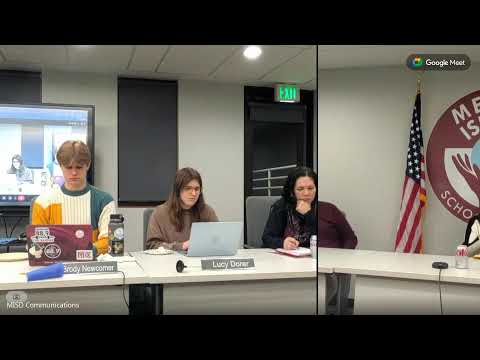
District leaders told the Mercer Island School District board that declining enrollment and rising costs have created a potential budget shortfall that could require staffing adjustments next school year.
Assistant superintendent (speaker 2) presented a three‑year enrollment snapshot showing gradual declines in elementary and middle grades and explained that staff represent approximately 84.7% of district expenditures. The presentation cited drivers of a projected roughly $2,000,000 shortfall: increased utilities, higher insurance costs and step/experience increases for certificated and classified staff. "There's about $2,000,000," a presenter stated during the briefing.
Administrators outlined a deliberate, multi‑step process the district will follow before any layoffs: (1) identify non‑staff MSOC operational reductions and efficiency savings, (2) use attrition and avoid backfilling positions where feasible, (3) consider limited and noncontinuing contract adjustments, (4) evaluate provisional certificated contracts under state statute and (5) perform programmatic reviews (for example, course offerings tied to low enrollment). HR procedures for 'reduction in force' (RIF), including seniority, bumping and statutory notice requirements, were explained. Staff emphasized that reduction‑in‑force is last‑resort and that the district seeks to minimize impacts on students and employees.
Because state law requires certificated staff to receive certain notices by May 15, staff told the board they may bring RIF authority requests to the board in a March 26 first reading and an April 20 second reading to preserve the option of issuing notices in compliance with the statutory timeline. Administrators said the district frequently requests more RIF authority than it ultimately uses because late resignations and other changes often reduce the number of actual layoffs.
Board members asked about specific savings the district has already pursued and whether enrollment projections account for late student moves; staff said the business office is conservative in enrollment assumptions and that identified operational savings have reduced the gap but are unlikely to close it entirely. Staff also described the district's practice of running alternate‑year courses (for example, ceramics every other year) to preserve pathways while aligning staffing to enrollment.
What happens next: district leaders will continue enrollment forecasting, pilot operational savings, refine staffing models and return to the board with potential resolution language seeking authority for reductions (if necessary) on the March and April board agenda. The board will be asked to approve any resolution authorizing RIF actions before notices must be issued under state law.