Get Full Government Meeting Transcripts, Videos, & Alerts Forever!
Get email alerts on the Small Business Loans topic
No spam. Unsubscribe anytime.
EDA board adopts discretionary microloan policy aimed at small-business gaps
Summary
The East Grand Forks EDA board voted to adopt a discretionary microloan policy to provide short-term gap financing to small businesses, using existing loan-fund structures and modest interest terms to avoid competing with commercial lenders.
The East Grand Forks Economic Development Authority board voted at its regular meeting to adopt a discretionary loan policy intended to give small businesses short-term access to capital.
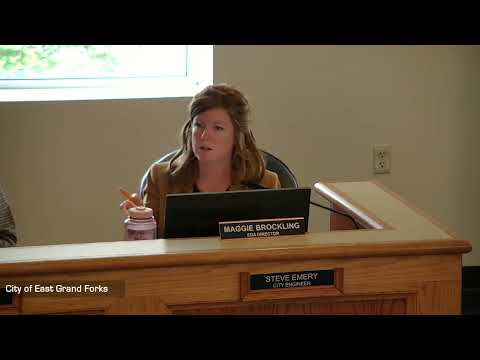
The EDA director said the policy builds on the authority’s October 2024 business subsidy guidelines and that the city’s municipal attorney advised no public hearings were required because the underlying guidelines are unchanged. The director described the program as small “micro loans” intended to fill short-term capital gaps such as equipment purchases or technology adoption.
Under the program staff described, loans would generally carry interest in a range of about 2.5%–5% with an option for full repayment within 12 months and the possibility of qualifying for a 0% interest consideration thereafter. Staff said the primary funding source would be secondary interest from the existing revolving loan fund and that they were still clarifying whether using MIF (Minnesota Initiative Fund) revolving-loan dollars would require adherence to MIF-specific wage and use restrictions.
A board member moved to adopt the policy, another board member seconded, and the Chair called a roll call vote. The Chair announced the motion carried.
The director emphasized the program’s intent: “We don’t want to compete with current banking institutions; this is to fill a hole that helps startups and small businesses access capital,” and said staff will prepare application materials consistent with existing applications already used by the EDA.
Next steps include finalizing any remaining compliance details with funding partners and implementing the application in Microsoft Forms for board and loan-committee review. The board did not schedule further public hearings on the policy change.