Get Full Government Meeting Transcripts, Videos, & Alerts Forever!
Get email alerts on the Homeless Shelter Certification topic
No spam. Unsubscribe anytime.
Maryland bill would require shelter certification, grievance hotline after DHCD report
Summary
Sponsors and the Department of Housing and Community Development urged a favorable report for HB 15‑01, a bill to create a tiered shelter certification, minimum habitability standards, on‑site monitoring and a statewide grievance process; supporters said the change protects vulnerable people, while members pressed DHCD on penalties and how to avoid closing emergency shelters.
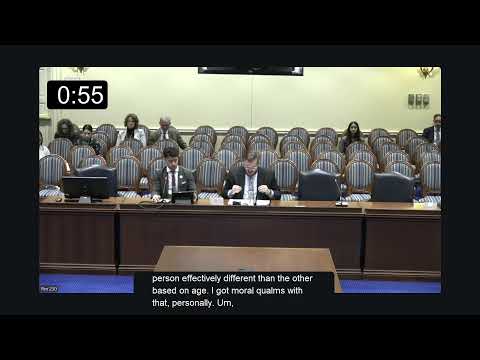
Delegate Chris Fair introduced House Bill 15‑01, saying the Department of Housing and Community Development’s study found no statewide laws guaranteeing minimum shelter standards or a reliable grievance process. “When Marylanders experiencing homelessness seek refuge in a shelter, they deserve safety, dignity, and basic standards,” Fair said, asking the committee for a favorable report.
Danielle Meister, assistant secretary for DHCD’s Division of Homeless Solutions, told the committee that roughly 22,000 Marylanders use shelter services each year and that many shelters operate with uneven oversight. “This has made shelters rely on their funding sources for the rules that they have to follow,” Meister said, and called HB 15‑01 a mechanism to set a basic, minimum floor for life‑safety, admission and grievance practices.
Meister described DHCD’s proposed framework: a tiered certification process with initial certification, on‑site visits and recertification every two years; a posted grievance hotline and desk review; targeted technical assistance and free training for shelter staff; and corrective‑action plans with compliance timelines before any extreme enforcement. She said emergency‑response shelters (short‑term, disaster shelters) would be carved out to preserve flexibility during crises.
Committee members pressed officials on several specifics. Members asked what would rise to a closure (revocation) versus temporary corrective action. Meister and DHCD staff said closures would be rare and reserved for immediate life‑safety failures (for example, no working bathrooms or heat during freezing conditions), and that DHCD’s approach would prioritize technical assistance and corrective agreements whenever possible. DHCD also said nondiscrimination standards and grievance referrals could lead to formal reviews and referrals to the Office of the Attorney General or the Maryland Commission on Civil Rights where appropriate.
Members raised concerns that small, volunteer‑run seasonal shelters might close if compliance costs are too high. DHCD testified it drafted the approach to be non‑prescriptive and to include provisional certifications, technical assistance, and staged implementation to reduce closure risk.
The sponsor and DHCD emphasized the bill is intended to keep shelters open while ensuring fundamental standards and an independent path for residents to report harms. The hearing record closes with committee members requesting more details about proposed penalties and technical assistance funding as the bill moves toward markup.