Get Full Government Meeting Transcripts, Videos, & Alerts Forever!
Get email alerts on the Nuisance Abatement topic
No spam. Unsubscribe anytime.
Minnetrista staff outline plan for abating junk-filled West Hill properties; neighbor calls it 'an absolute hoarding issue'
Summary
At a March 2 Minnetrista work session, staff detailed criminal and civil enforcement steps for two cluttered properties on West Hill Road, including possible administrative search warrants and abatement work estimated at $50,000–$100,000; a nearby resident urged faster action.
At a March 2 work session, Minnetrista Mayor Lisa Whalen and city staff outlined steps the city may take to address two properties with large accumulations of vehicles and debris on West Hill Road and elsewhere.
City Administrator Jasper Bridal told the council staff has had limited owner contact since December and that one property now has a pretrial court date on March 17. Chief of Police Craig Squires said the pending criminal matters involve multiple ordinance-based misdemeanor counts — from unlicensed or inoperable vehicles to accumulations that create public-health or nuisance concerns.
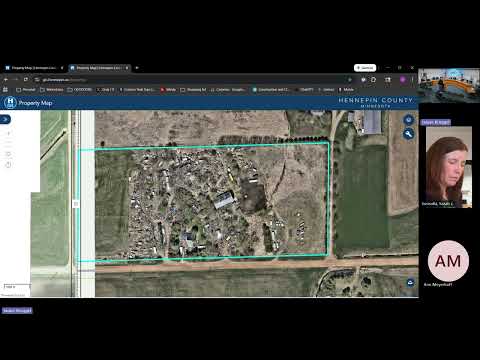
Bridal showed aerial imagery to illustrate the growth of material on the site since 2002 and said the private contractor Junk Masters estimated a full abatement would likely cost the city between $50,000 and $100,000. "For budgetary purposes, probably somewhere between $50 to $100,000 to remove all of this stuff," Bridal said, according to staff presentation.
Neighbor Ken Vanderlinde, who identified himself at the meeting, described the condition as worsening and called it "an absolute hoarding issue," saying the site has depressed his property value and that vehicles and hauling sometimes occur at night. "I've had enough," Vanderlinde said.
City counsel (identified as Sarah during the meeting) described the civil process the city would follow: obtain an administrative search warrant to inspect the property if owners deny access, draft a nuisance abatement order specifying required remediation, and—if owners do not comply—have the city remove and store materials, then assess abatement costs against the property. Counsel warned that storage and the need to preserve potentially claimed items add costs and legal complexity. She also noted assessments typically have a one-year payment period before a property could move toward tax forfeiture.
Council members pressed staff on whether statutory fines (misdemeanor penalties that can be up to $1,000 per offense) are sufficient to compel cleanup; staff said the fines alone frequently are not enough to fund a large cleanup and that a property-abatement assessment and potential tax-forfeiture cycle are possible outcomes. Staff suggested the council could accelerate the nuisance-declaration timeline if the owners continue adding material or refuse access; otherwise, the council agreed to send reminder notices and to revisit the matter at the May/June checkpoint previously set.
Next steps recorded by staff were: attempt outreach to the property owners and prosecutor, document the site with extensive photos, try to obtain voluntary site access, and if access is denied pursue an administrative search warrant and prepare a nuisance abatement order for council consideration. A pretrial date for criminal charges on one property was noted as March 17.
The council did not vote on formal abatement at the session but directed staff to accelerate outreach and evidence collection and to return a formal nuisance-abatement recommendation to the council if owners fail to cooperate.