Get Full Government Meeting Transcripts, Videos, & Alerts Forever!
Get email alerts on the Work Schedule topic
No spam. Unsubscribe anytime.
Firefighters, city clash over proposed 48/96 schedule and off-duty work limits
Summary
City negotiators proposed a trial of a 48/96 work schedule with modified off‑duty restrictions that would expand the window for secondary employment; firefighters raised fatigue, safety and retention concerns and asked for clearer safeguards and trial metrics.
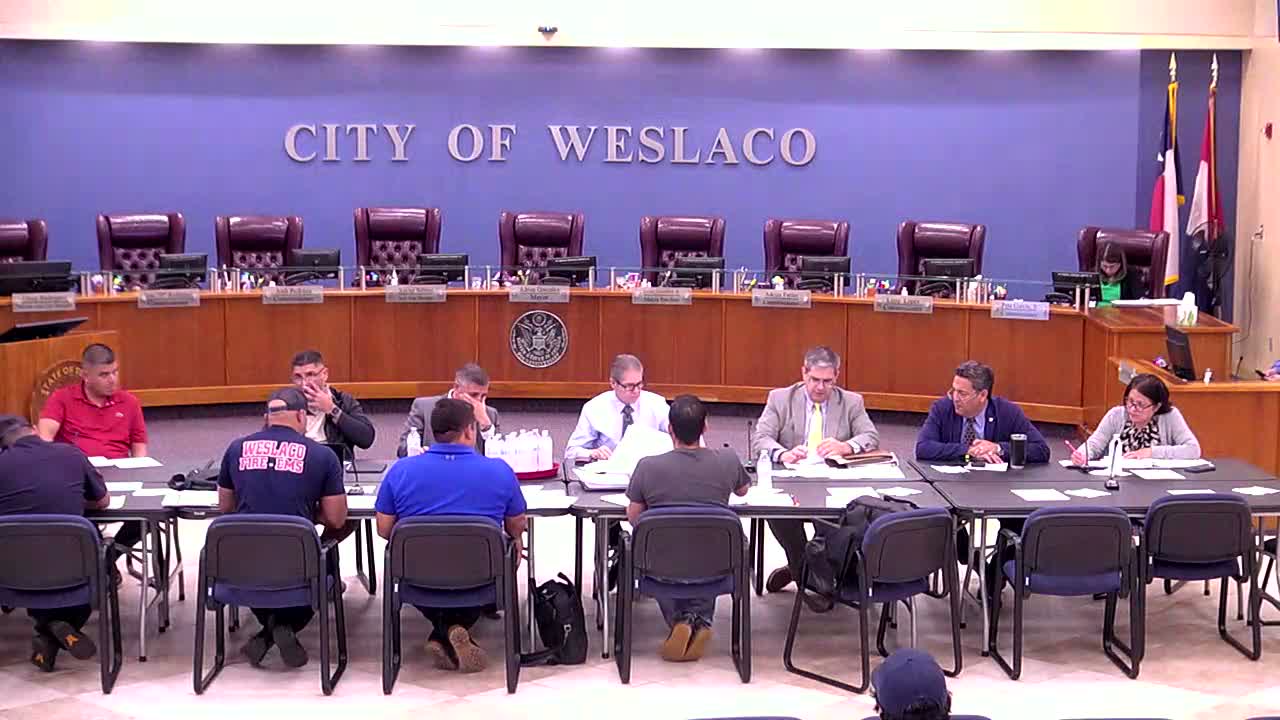
City negotiators and firefighter representatives exchanged sharply different views on proposed schedule and off-duty-work language during the Sept. 17 bargaining session.
The Agency official described the city's proposed change to Article 28(a), saying the measure aims to prioritize rest by restructuring work cycles and that the city proposed reducing a post-shift restriction from 24 hours to 12 hours while keeping 24 hours of no-off-duty work before a shift. "What we're proposing here is to reduce that restriction in that period where the firefighter's coming off duty from 24 to 12 and keep the 24 hours mandated rest prior to coming on ship," the Agency official said.
Union participants said the net effect would enlarge the period during which secondary employment is authorized from the current pattern to 60 hours within a 96-hour block, and warned that such a change could increase cumulative fatigue for firefighters who cobble together secondary jobs for pay. One Meeting participant said many members rely on occasional second jobs (retail, private EMS, teaching) and asked for safeguards. Another noted that much secondary work occurs at night and may not be available to members who need daytime hours.
The city proposed treating the new schedule as a trial: two six-month trial periods followed by a review in September 2026; if both parties agree at that point the schedule would continue for the remainder of the agreement, otherwise it would sunset. The Agency official said the city would prefer assurances and measurable parameters before accepting a widespread change.
Negotiators did not finalize language. Both sides agreed to continue discussing the schedule in follow-up caucuses and asked staff to draft clearer parameters, implementation safeguards and metrics for measuring fatigue and operational impact.
Ending: The parties postponed agreement on schedule and off-duty rules pending staff-drafted language and metrics to be reviewed at the next bargaining session.