Get Full Government Meeting Transcripts, Videos, & Alerts Forever!
Get email alerts on the Education topic
No spam. Unsubscribe anytime.
Parents, teachers and students urge assembly to shore up school funding to avoid neighborhood closures
Summary
Dozens of parents, educators and students urged the Matanuska-Susitna Borough Assembly to provide bridge or increased local funding to prevent planned closures of Larson and Meadow Lakes elementary schools, warning closures would disrupt students with IEPs and harm neighborhood stability.
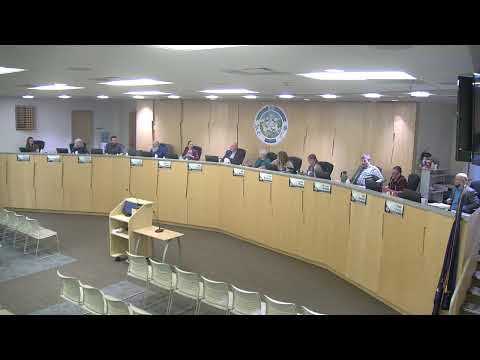
The Matanuska-Susitna Borough Assembly heard more than two hours of public comment March 17 focused on proposed school closures and the borough's contribution to the district budget. Dozens of speakers — parents, paraeducators, classified employees and students — urged the assembly to increase local funding or provide temporary bridge grants to avoid permanent closures.
"Our school district is facing a serious deficit, and the proposed solution of closing neighborhood schools will have long lasting effects on students, families, and entire communities," said Taft Johnson, who identified himself as the parent of a Bells Lakes Elementary student. He asked the assembly to "actively pursue alternatives that would prevent school closures, at least in the short term," including temporary funding until state decisions are final.
Several speakers raised legal and procedural concerns for vulnerable students. "Proceeding with school closures without first ensuring full legal compliance puts the district and the borough at the risk of federal noncompliance," said Carrie Johnson, who noted both Individuals with Disabilities Education Act (IDEA) and Title I procedural safeguards and said Meadow Lakes had 87 students with IEPs and had received no required prior written notice.
Teachers, paraeducators and classified staff described the practical impacts of closures. "Closing Larson would not simply move students to another building. It would break apart a community that families like mine have trusted and depended on for years," said parent Abby Gilroy. Paraeducators emphasized the importance of stability for young students and the difficulty of re-creating classroom-level supports after a closure.
Speakers cited district budget numbers presented at a March 4 school board meeting and asked the assembly to consider increasing the borough's local contribution. "Our district is being funded at approximately 73% of the maximum allowable limit," said Courtney Downing, urging the borough to match peer districts at 83% funding to forestall closures.
Assembly members did not take a final funding vote at the meeting. Several said they had heard the public and expected the topics to remain central in upcoming joint discussions with the school board. Under borough and state processes, the assembly has authority to set local contributions; speakers and some members said they expect that funding decisions will be part of the budget deliberations in coming weeks.
The assembly scheduled follow-up items on the consent agenda and signaled continued work with the school board; no closures were enacted by the assembly at the March 17 meeting. The assembly will consider budget and joint-session items on upcoming agendas, including a joint meeting with the school board the following week.