Get Full Government Meeting Transcripts, Videos, & Alerts Forever!
Get email alerts on the Public Works topic
No spam. Unsubscribe anytime.
Council approves city-led scope for street overlays after debate over engineering costs
Summary
After debating whether to pay for engineering or use city-prepared scopes, the council voted to proceed with a city scope for a 2-inch street overlay program and authorize a bid process; the measure passed on a recorded vote (5–1).
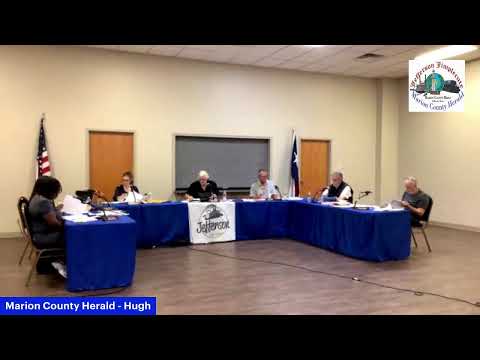
The Jefferson City Council voted to authorize city staff to prepare the scope of work and proceed to bid on a 2-inch overlay program for streets identified in staff reports, after members debated whether to hire engineers for site-specific studies.
The city attorney’s office advised the council that the question is a balance between risk and cost: spending on engineering reduces the risk of future failures but reduces the amount of pavement the city could repair with the same budget; using a city-prepared scope and standardized specifications can reduce upfront professional fees while leaving some risk on the city for problem locations.
"It’s really kind of a balancing choice for you to say, we have confidence that these are good places for us to do this type of repair, and so we’re not going to spend the extra money on the engineering design and oversight," the city attorney said during the discussion, noting an intermediate approach of limited soil samples could reduce risk.
Council discussion included concerns about recurring water and sewer breaks under certain streets and whether an overlay would be wasted without targeted underground repairs. Some councilors pushed to sample high-risk locations first; others argued the city could do more miles by using standardized specifications used successfully by nearby municipalities.
A motion to proceed with a city-prepared scope and to put the overlay out to bid passed on a roll call; the meeting record showed five members in favor and one opposed. Councilors instructed staff to draft the bid documents, consult comparable projects from neighboring cities, and return with cost estimates at the next meeting.
The approved approach aims to stretch the city’s paving dollars while seeking to limit the risk of early failures, and staff said they will include identified troublesome spots for further engineering review if needed.