Get Full Government Meeting Transcripts, Videos, & Alerts Forever!
Get email alerts on the Parks And Recreation topic
No spam. Unsubscribe anytime.
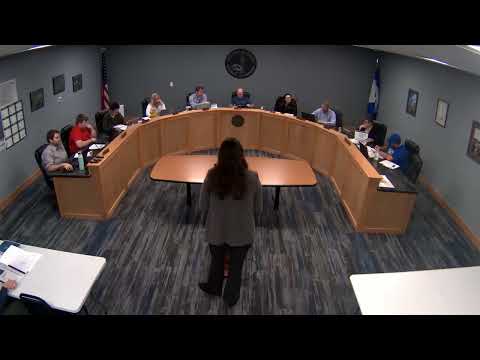
Kasson Council debates switching park dedication from per-acre to per-unit fees; consultant suggests phased increase
Summary
A planning consultant urged Kasson City Council to shift park dedication from a per-acre approach to a per-unit fee, projecting the change would raise coverage from about 16% to 24% of projected park capital needs; the council asked staff to consult developers before returning with an ordinance recommendation.
Consultant Brad of Hoisington and Kegler told the Kasson City Council the city's current park dedication policy — a 10% share of $12,000 per acre under the present per-acre approach — covers roughly 16% of projected capital needs for parks created by new development. Using the city's growth assumptions, Brad said full buildout could add about 5,583 households and require roughly 11 new parks, translating to about $14 million of capital need.
"If we wanted to use park dedication to make sure we get to that, we need to up our fees to about $2,500 per unit," Brad said, noting that metro cities commonly charge between $4,000 and $6,000 per unit but that Kasson's market dynamics argue for a more gradual step. Brad presented a per-capita and per-unit alternative, showing a per-unit split that would raise the city's coverage to roughly 24% of the projected need with proposed illustrative figures near $460 per single-family unit and approximately $343 per multifamily unit under current assumptions.
Council members asked how the policy would treat improvements to existing parks versus funding new parks, whether commercial parcels should be charged, and how current pipeline projects would be affected. Councilors voiced concern about making the city uncompetitive for commercial development and emphasized the need to talk with local builders. One councilor said he favored not charging commercial parcels so as not to discourage business investment.
Brad recommended engagement with developers and stakeholders and returning with concrete fee numbers and an ordinance later in the year. Council discussion indicated support for additional outreach and a gradual introduction of any fee increases, with staff directed to refine options and bring a recommendation back for formal ordinance action and fee adoption.
Next steps: staff will continue analysis, meet with developers and return to council with a recommended fee ordinance and implementation timeline.