Get Full Government Meeting Transcripts, Videos, & Alerts Forever!
Get email alerts on the Education Student Supports topic
No spam. Unsubscribe anytime.
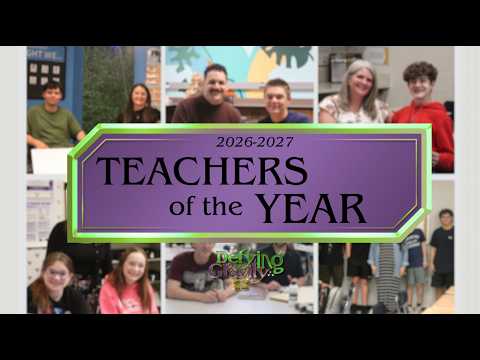
Teachers at Blue Springs R‑IV say relationships help students 'defy gravity'
Summary
Seven presenters from Blue Springs R‑IV described classroom practices that help newcomer and middle‑school students overcome cultural, linguistic and social barriers. They emphasized relationships, routine check‑ins, arts and persistence in math as ways students build confidence and succeed.
Presenter 1, a teacher with Blue Springs R‑IV, opened by noting, "My students come to the Blue Springs School District from all over the world," and said those students often must learn a new culture, language and educational system as they try to fit in. "It's just such a joy when I get to see them find success, when they can defy gravity," the presenter said, describing success as both academic progress and a feeling of connection to school.
Presenter 2 said middle schoolers face pressures that can hold them back — "peer pressure, fear of what others might think and a lot of self doubt" — and described the classroom goal as encouraging risk‑taking and resilience. "It's not about perfection but about learning from our mistakes," the presenter said, adding that growth begins "when we get back up and we try again."
Presenter 3 described the art classroom as a place to move beyond hesitation: "I really try to create an environment where my students feel safe and secure and supported," they said, noting that trying different media lets students exceed their own expectations and gain confidence.
Presenter 4 framed some students' daily lives as "survival mode," saying teachers can help by checking in and listening. "Often times they just need someone to listen," the presenter said, arguing that alleviating the burdens on students is necessary so they can engage in learning.
Presenter 5, who teaches math, acknowledged that many students (and some teachers in middle school) find the subject difficult but urged persistence: "You don't have to like it now... it's that practice that is going to allow you to grow and hopefully defy that gravity," they said, drawing an analogy to practicing plays in sports.
Presenter 6 said social studies instruction balances "the good and the bad of history" and emphasized studying "heroic helpers" when covering difficult topics such as Nazism so students can identify positive examples and the ripple effects of courageous actions.
Presenter 7 closed by describing recurring classroom themes — relationships, trust and transformation — and said building community early gives students the confidence to take ownership of their learning and to use writing as a tool for self‑expression.
Taken together, the presenters described a mix of social‑emotional supports, classroom practices and curricular framing aimed at helping students who are new to the district or struggling in middle school. The remarks focused on classroom strategies rather than policy changes; no formal motions or votes were recorded.