Get Full Government Meeting Transcripts, Videos, & Alerts Forever!
Get email alerts on the Ems Funding topic
No spam. Unsubscribe anytime.
Dodge Center Ambulance warns of funding shortfall and asks Kasson for local support
Summary
Interim director John Fox told the Kasson City Council that Dodge Center Ambulance meets clinical benchmarks but relies heavily on low‑paid on‑call staff and volunteer subsidies; he warned the service may run a $500,000 deficit by 2030 and asked municipalities to consider voluntary bridge funding and local influence over service arrangements.
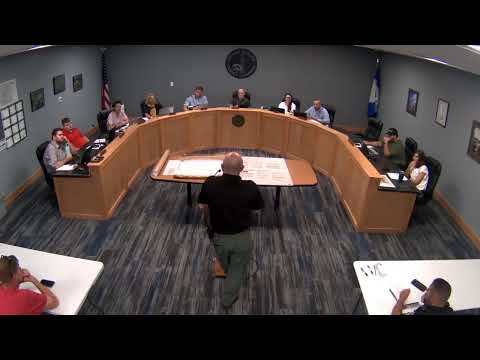
John Fox, interim ambulance director for Dodge Center Ambulance, told the Kasson City Council the service is meeting clinical benchmarks but is financially fragile and increasingly reliant on heavily subsidized labor.
Fox said the service’s “out the door” time is under three minutes and average dispatch‑to‑scene response is about 12 minutes — well within the service’s 30‑minute legal standard — but that the cost structure does not match reimbursement. “Our response times on average are about 12 minutes,” Fox said, and added that most of the roster are paid‑on‑call staff who receive only a few dollars per hour plus run pay.
The ambulance service reports a $1.3 million budget headline figure but an operating budget of roughly $600,000–$700,000; Fox said the difference is made up by volunteer and subsidized labor. He noted shrinking reimbursement from governmental payers and growing commercial insurance high‑deductible plans as drivers of the shortfall, and warned that current projections show the operation could be roughly $500,000 underwater by 2030 if the funding model does not change.
Fox described state efforts that provided partial support — including a past $24 million statewide subsidy targeted to volunteer labor and more recent emergency operating funds — but said those sources leave many local services short. He said four of six neighboring townships have offered voluntary contributions and urged Kasson to consider similar bridge or voluntary funding and local governance measures so residents retain influence over their emergency medical services.
The council thanked Fox for the briefing and indicated staff would bring the topic back for budget and policy discussion; no formal commitment was made during the meeting.
The presentation was made during the council’s visitors segment and concluded with councilmembers indicating they will consider the request in upcoming budget conversations.