Get Full Government Meeting Transcripts, Videos, & Alerts Forever!
Get email alerts on the Zoning topic
No spam. Unsubscribe anytime.
Racine council adopts zoning change to limit new vape and tobacco retailers near youth-serving sites
Summary
The council adopted ordinance 0126-26 to amend Chapter 114 zoning rules that place distance buffers and limit new vape/tobacco retailers near schools and youth-serving facilities; proponents cited local youth vaping data and public-health research.
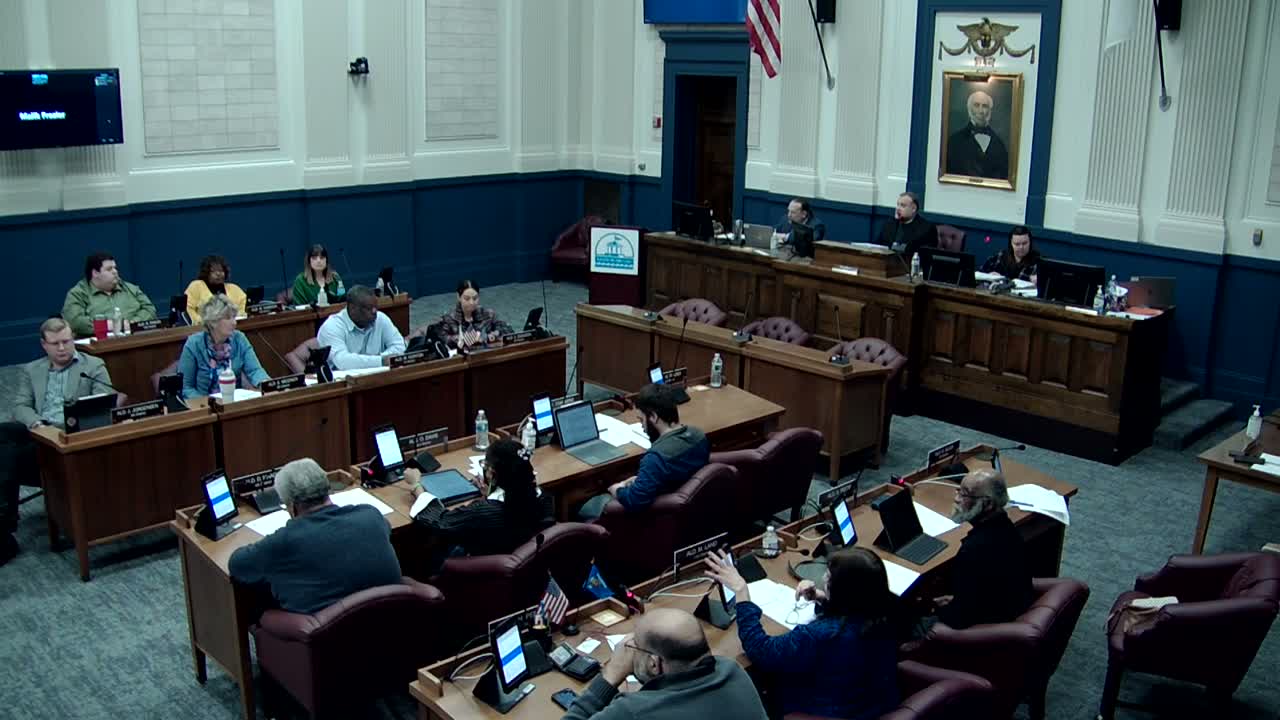
The Racine Common Council on March 17 adopted a zoning ordinance (0126-26) that changes Chapter 114 to restrict where new vape and tobacco retailers may locate in the city, adding distance buffers from schools, daycares and other youth‑serving organizations.
During a public hearing Michael (executive director of Focus on Community) told the council that the restriction is intended as a prevention tool, not a retroactive ban on existing businesses. He cited local survey data and national public‑health research, saying that in a fall survey of Racine Unified ninth graders about 10% reported trying vape products in the prior 30 days and that Wisconsin high‑school e‑cigarette use is higher than national averages.
“We surveyed all the ninth grade students in Racine Unified … and we found that of those Racine Unified ninth grade students, 10 percent of them have tried vape products within the last 30 days,” the speaker said, urging the council to use zoning to reduce youth exposure and retailer clustering.
Supporters on council described neighborhoods as saturated with these shops and said the zoning change is a local tool to reduce youth access and normalization while remaining consistent with state law; opponents urged caution about grandfathering and committee process. After debate the council adopted the ordinance by roll call.
What it means: The change applies to new retail permits; existing, legally licensed businesses were described as allowed to continue as prior nonconforming uses. City staff and planning commissioners will oversee implementation and any future permit applications that seek to locate within the newly restricted areas.
Next steps: Implementation details, buffer maps and permit review standards will be handled by planning staff; the change takes effect according to the ordinance schedule and any appeals or applications will proceed under the revised rules.