Get Full Government Meeting Transcripts, Videos, & Alerts Forever!
Get email alerts on the Parks And Recreation topic
No spam. Unsubscribe anytime.
Private developers propose $10 million Shute Park golf-course rebuild tied to shoreline stabilization
Summary
Developers working with the Kaiser/Leopold-Johnson group presented a privately funded plan to rebuild Shute Park’s nine‑hole course, repair 3,000 feet of bluff with engineered stone revetment, and restore shoreline habitat; council received the presentation for file and took no binding action.
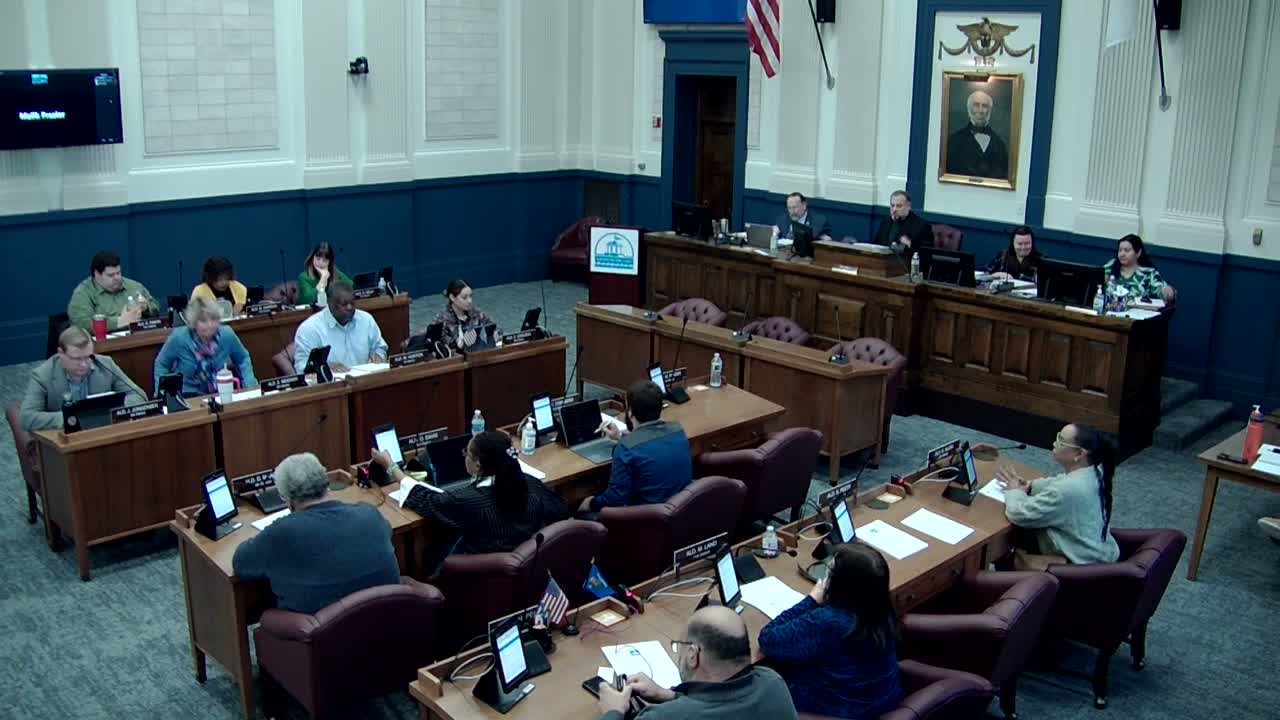
Developers and city staff presented a privately financed vision to rebuild Shute Park Golf Course and shore up the adjacent bluff, telling the City of Racine Common Council that the project would be paid for by private partners and would not cost the city capital funds.
Designer Craig Halton, representing the Kaiser/Leopold partners, described a links‑style nine‑hole renovation that would replace greens, tees, bunkers and fairways, add a new small clubhouse and a public putting course, and include “shoreline stabilization and habitat restoration” along roughly 3,000 feet of shoreline. “We are proposing to repair the erosion on the bluff and to install stone revetment and erosion protection along the entire shoreline,” Halton said during the council presentation.
John Rooney, the city’s commissioner of public works, said independent reviewers (Smith Group and Tamcor) found the preliminary engineering sound but noted that final approvals would require state and federal permits, including from the Wisconsin Department of Natural Resources and the U.S. Army Corps of Engineers. Rooney gave a preliminary cost range for the shoreline protection of about $1.2 million to $1.3 million and estimated engineering and permitting at roughly $150,000. “The estimate of the shoreline protection is somewhere between $1.2 and $1.3 million, and the engineering and permitting by itself is estimated about $150,000,” Rooney said.
Parks director Matt Kepnick outlined tree and habitat tradeoffs the project would entail. Kepnick said the city’s on‑course inventory lists 184 individual trees representing about 40 species, with roughly 40% nonnative varieties, and that some trees on the bluff are actively destabilizing the slope. “There are 184 individual inventory trees on the golf course consisting of 40 different species,” he said, adding that removal would be needed in places to allow access for stabilization work and to prevent further bluff collapse.
Members of the public attending the hearing were split. Some commenters supported the private investment and the project’s promise of jobs, visitor spending and continued local discounts for residents; others urged the council to prioritize bird habitat, protect mature trees, preserve public access to the shoreline and ensure the course remains affordable for locals. Michael Burke, speaking as a birding community member, asked for specifics on native plantings, protections for a local bluebird trail and bird‑friendly glass for any clubhouse windows.
Mayor and staff emphasized that no contract or lease was being executed at the meeting; the council voted to receive and file the presentation and supporting materials so staff and proponents can continue study and public input. Receiving the presentation does not obligate the city to any agreement.
What happens next: Staff review and permitting will proceed if the project advances; the presenters said construction timing would depend on permitting and growing‑in periods for turf. The proponents estimated a multi‑year schedule for construction and turf establishment if the city and neighboring jurisdictions move forward with approvals.