Get Full Government Meeting Transcripts, Videos, & Alerts Forever!
Get email alerts on the Municipal Liquor Store topic
No spam. Unsubscribe anytime.
Isanti municipal liquor store sees DoorDash growth, council questions rising credit‑card fees
Summary
Store manager and staff told council DoorDash deliveries have produced more than $50,000 in sales year-to-date and that freight/hauling deals keep distribution costs down; councilors flagged rising merchant/credit‑card fees (roughly $116,000 in discussion) and discussed options but no immediate policy change was adopted.
The council reviewed the municipal liquor fund and heard from the store presenter about sales performance, delivery channels and operating costs. Staff said retail sales are steady and that the store has expanded online orders and DoorDash delivery, reporting more than $50,000 in DoorDash sales year‑to‑date and noting that many deliveries go to neighboring ZIP codes such as Cambridge and St. Francis.
Why it matters: High sales volume and widespread delivery expand the store’s revenue footprint, but the city also bears nontrivial operating costs—freight/hauling, advertising and merchant fees—that affect net returns to the general fund.
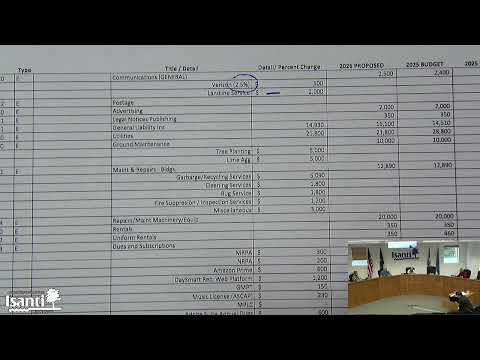
The presenter detailed expense and operating lines: hauling/freight was budgeted around $22,600 annually (the presenter said a private hauler has offered lower-than-market rates), advertising at $15,000, and point-of-sale and IT subscriptions for register systems were listed. Councilors asked about bank and credit-card charges that rose sharply in recent years; the presenter and finance staff explained that roughly 80% of store transactions are by card and that transaction fees (about 2–3% per transaction) have driven total card-related charges approaching the six-figure range. Councilors explored options including dual pricing or cash discounts, but the presenter said those measures would be a last resort because of customer convenience and reputational concerns.
The council also discussed staff training and conference attendance (MMBA and national beverage-conference options) and capital items such as a beer‑cave door that is reportedly in production but not yet installed. Staff noted several capital items had been removed from the CIP and that capital spending for the new store is minimal this year.
Next steps: Council recorded the discussion and directed staff to continue managing freight, advertising and merchant services; no vote was taken on pricing policy changes.