Get Full Government Meeting Transcripts, Videos, & Alerts Forever!
Get email alerts on the Aquatic Center topic
No spam. Unsubscribe anytime.
Pool task force recommends $22 million aquatic center behind Pryor Creek rec center
Summary
A Pryor Creek pool task force recommended building a $22 million aquatic center behind the recreation center, proposing a phased plan, governance by a dedicated board, and a fundraising strategy that relies on grants and major private donations. The board heard the presentation and asked follow‑up questions.
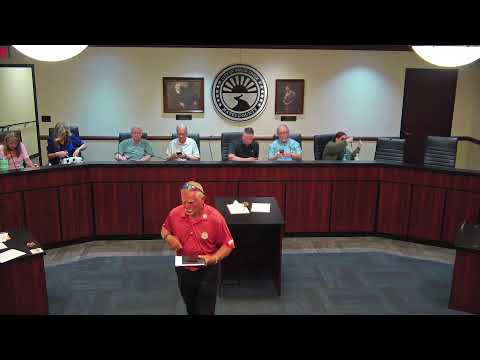
Adam, a presenter for the pool task force, told the Pryor Creek Park Board the group recommends building a "new state of the art aquatic center located behind the rec center," saying the facility would improve health, equity and the local economy by keeping recreation spending in the county.
The task force presented a phased design and a $22,000,000 total project estimate, with a targeted grand opening in 2028–2029 that would depend on successful fundraising. "It's a $22,000,000 project," Adam said, adding the team is assembling a steering committee and a "view book" for prospective donors and grantors.
Presenters described phase 1 as the family swim area, bathhouse and related site work with an estimated cost in the neighborhood of $8.7 million; later phases would add a lazy river and a competitive pool. They said the plan emphasizes designing mechanical and infrastructure elements for the full build even if construction is phased to avoid costly rework.
The task force said repairing the existing pool is not a preferred option. "It's 8,300,000 just to repair the existing pool," Adam said, describing structural deterioration and voids beneath the current basin and limited parking that would constrain usable programming.
On funding, presenters said they plan to pursue grants (including a federal Land and Water Conservation grant and PDG design support), large private donations and other sources. "The initial plan is to go after all of the funding at one time," Adam said, while acknowledging the group would begin with a fundraising drive that could allow construction to start on phase 1 if certain funding triggers are met.
Board members asked about phasing, operational sustainability and school partnerships. Presenters said they had discussed using the nearby school football parking lot to reduce capital parking costs and anticipated revenue from hosting competitive meets. The presenters emphasized public engagement—community meetings, dot‑voting boards and an online survey—as the basis for the proposed features.
Next steps outlined by the presenters include continued fundraising, completing the funding feasibility work, and a handoff from the task force to the governing board when appropriate. The task force said a second steering‑committee meeting was scheduled and that the steering group will continue building materials for donors and grantors.