Get AI Briefings, Transcripts & Alerts on Local & National Government Meetings — Forever.
House approves bill removing APRN post-licensure collaborative-practice requirement
Loading...
Summary
The House passed House File 1794 to remove Minnesota—s mandated post-licensure collaborative-employment requirement for advanced practice registered nurses, proponents said it will expand access to care; opponents warned it reduces a patient-safety safeguard. Vote: 119-12.
The Minnesota House on third reading approved House File 1794, a bill to remove a statutory requirement that newly licensed advanced practice registered nurses (APRNs) work for a year in a setting where a physician is also employed.
Supporters, led by the bill—s author Representative Verneig, said the requirement is a barrier to practice that prevents APRN-led clinics from hiring newly graduated nurse practitioners and clinical nurse specialists and contributes to access shortages in mental health and primary care across the state. Verneig told colleagues the change aligns Minnesota with other states and noted endorsements from multiple APRN organizations and the Board of Nursing.
The measure—s coauthor, Representative Warwas, described rural staffing challenges and recounted a personal medical experience in which a nurse practitioner played a decisive role in diagnosing his kidney cancer. Representative Mohamud cited a visit to an APRN-led clinic that provides culturally responsive care and said current collaborative-contract costs can be tens of thousands of dollars for clinics.
Representative Liebling spoke in opposition, framing the requirement as a patient-safety protection. Liebling said licensing changes should be guided by safety evidence and argued the one-year collaborative-practice employment period gives new licensees a chance to see a broader case mix and develop connections to physicians who can be consulted when needed. She said the Minnesota Medical Association and the American Academy of Pediatrics provided materials opposing the change.
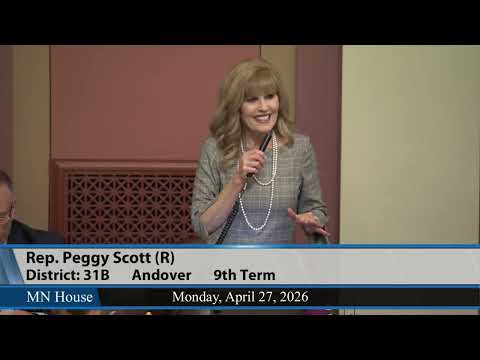
During questions, Representative Scott asked how the one-year period works in practice; Verneig replied that collaborative agreements can vary widely and in some clinics are little more than a contractual formality rather than a mentoring arrangement. Verneig said committee materials include studies from states that retired similar requirements without backtracking on standards or outcomes.
After debate, the clerk called the roll. The clerk reported 119 yays and 12 nays; the bill passed and its title was agreed to. The House record shows supporters argued the change would expand access, particularly in underserved and rural communities; opponents urged caution, citing patient-safety concerns and the need for evidence about clinical outcomes.
The bill now proceeds according to the Legislature—s next procedural steps.