Get Full Government Meeting Transcripts, Videos, & Alerts Forever!
Get email alerts on the Fire District Jpa topic
No spam. Unsubscribe anytime.
Isanti council urges attorney-led work session to resolve fire district joint powers agreement concerns
Summary
Council members and residents pushed the Isanti Fire District to hold a work session with legal counsel after hearing that a draft joint powers agreement would delegate collection and ordinance-like powers to the district; the council also pressed for greater transparency in agendas and minutes.
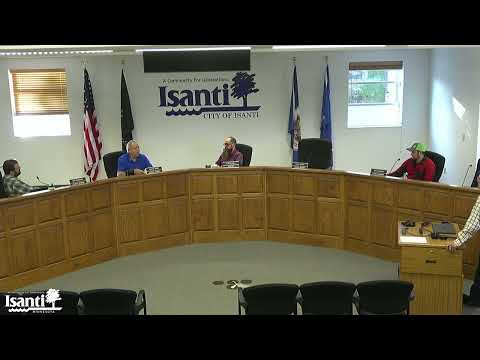
Isanti City officials and residents pressed the Isanti Fire District on Monday to hold a lawyer-led work session to review a proposed joint powers agreement that, as drafted, could expand the district’s authority over taxing and collections.
At a council meeting, resident Mike Miller of Oxford Township warned of “taxation without complete representation,” saying the draft would allow the district to pursue extraordinary-cost charges for major mutual-aid responses and leave taxpayers in member jurisdictions liable for decisions they did not make. “If the fire district takes taxing and be able to charge for fires, how do they… appeal the charges that you get?” Miller asked, arguing appeals would be to the board that imposed the fees.
Council and fire-board members said they want the JPA explained line-by-line by counsel. A board member summarized his reading of Minnesota statutes and said the district currently has “only the powers to delegate” unless an agreement explicitly grants taxing or lien authority, and emphasized that mutual-aid reimbursements are typically governed by separate mutual-aid agreements. Multiple council members said they and other township representatives often receive draft JPA language only hours before meetings and called that process insufficient for informed consent.
The council discussed several specific transparency and accountability steps: asking the fire board to schedule a dedicated work session with either the city attorney or a neutral attorney; requesting that the fire board publish agendas and minutes rather than rely only on emailed drafts; and exploring low-cost meeting-recording or transcription tools to make deliberations accessible to residents.
Council members said the goal was procedural clarity rather than blocking the district’s ability to collect for extraordinary incidents. Several members said the district’s role as a cooperative should be preserved and that any delegation of collection powers must be explicit, subject to board approval, and explained to member jurisdictions.
The council voiced consensus support for requesting that the fire board hold the attorney-led work session and report back. The council did not vote to change the JPA itself; instead members said they would formally recommend the fire board hold the work session and supply written questions and data requests in advance.
Next steps identified at the meeting included the council asking the fire board to convene the work session with counsel, and for council members to seek clearer documentation from the fire board about what statute-based powers would be delegated under the proposed agreement.