Get AI Briefings, Transcripts & Alerts on Local & National Government Meetings — Forever.
Verona Area School District board approves monitoring reports on arts, health, language, CTE and technology
Summary
The Verona Area School District board voted unanimously on April 20 to accept five monitoring reports—creative and performing arts; health and physical development; world language; career and technical education; and technology—as "achieving reasonable progress." Several presentations highlighted student work, expanded course access and the district's AI plan.
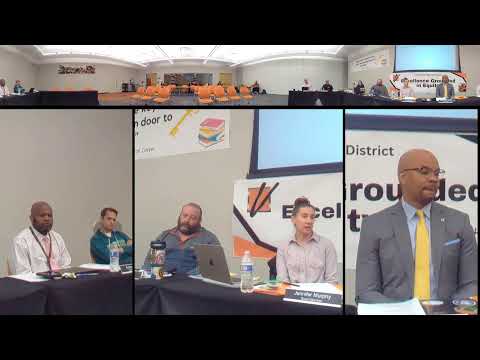
The Verona Area School District board on April 20 approved five monitoring reports covering creative and performing arts, health and physical development, world language, career and technical education (CTE) and technology, each by voice vote in favor.
Administrators and department chairs presented findings and next steps for each results policy. Eric Anderson, music department chair, described scheduling changes and K-12 coordination that let small-enrollment arts classes run by co-teaching or stacking sections. Carly (physical education presenter) said the district moved health instruction to sixth grade and added Spanish-language sections; she also highlighted lifeguarding and coaching courses that give students industry-recognized credentials. A world language presentation noted a jump in students earning district recognition (seal of biliteracy) from about 42 last year to an estimated 89 this year; a senior student, Silas, described community-facing work at a food pantry translating and registering Spanish-speaking visitors. Jeremy, a CTE presenter, reviewed expanded student organizations, dual-credit alignment and plans for a student-run school store and internships.
Jason, the district's technology lead, described a comprehensive technology effort that includes a K-5 digital citizenship curriculum, improved password rostering for grades 6–12, and an AI plan that has produced 585 teacher-created "boost activities" to scaffold AI use within classroom rubrics. Jason said the AI plan will be finalized for rollout in 2026–27 with staged access and accompanying professional development.
Each report required a board determination of whether the district had achieved "reasonable progress." Motions to approve were made during the meeting (for example, Christopher moved to approve the arts monitoring report and Meredith seconded); the board recorded unanimous voice approval on all five items. The superintendent's and board consent agendas, which included the recommended property and casualty insurance renewal, were also approved.
Board members repeatedly emphasized the role of student voice in the reports and praised staff for outreach and professional learning. Several members raised access concerns tied to costs for international immersion trips and asked administrators to consider strategies to broaden participation. On world languages, multiple board members urged continued advocacy with the state Department of Public Instruction to elevate language learning opportunities.
The meeting closed after routine board updates and adjournment by voice vote.