Get Full Government Meeting Transcripts, Videos, & Alerts Forever!
Get email alerts on the Opioid Settlement topic
No spam. Unsubscribe anytime.
Madison County approves opioid-settlement funding for jail treatment program
Summary
The Madison County Council approved appropriations from its opioid-settlement funds to create a jail navigator post and support peer recovery coaches and an on-site mental-health professional as part of a jail treatment initiative. The vote covered restricted and a small unrestricted allocation.
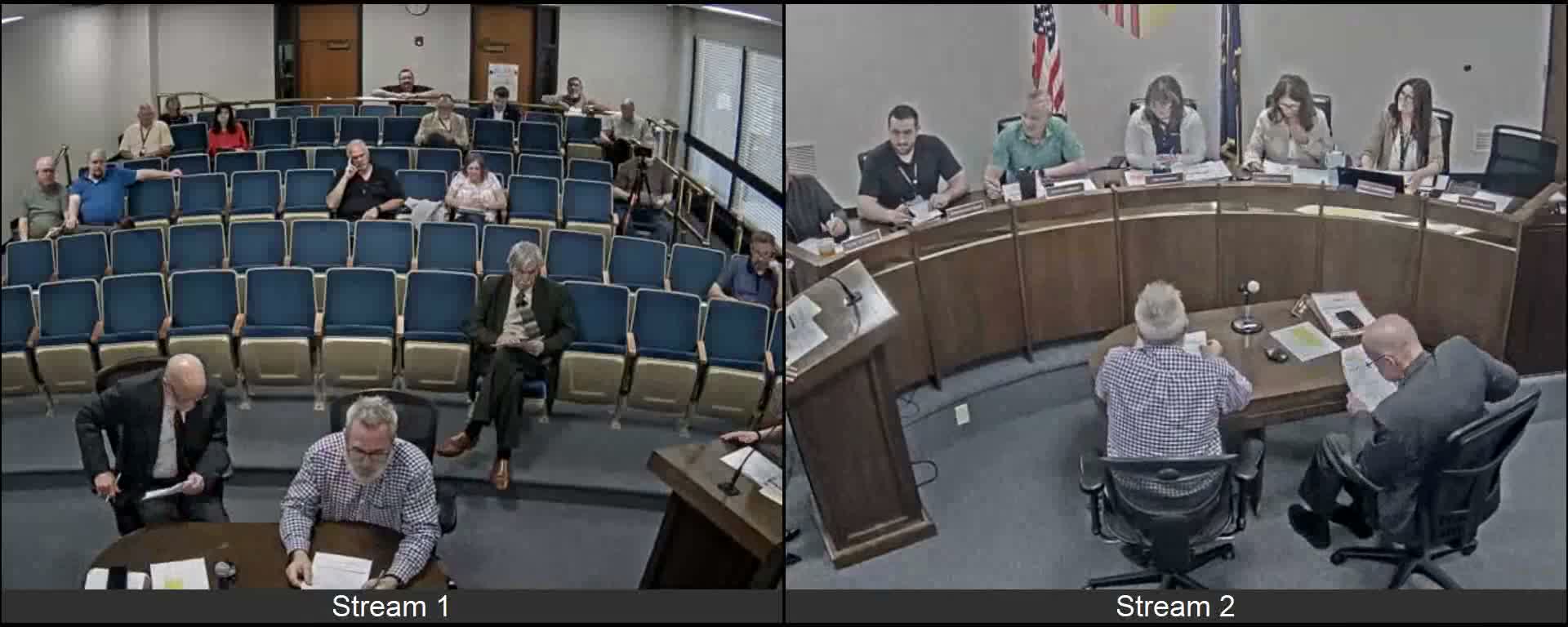
Judge Angela Sims told the council the county is moving forward on a jail-treatment program tied to the jail expansion and asked the council to appropriate opioid-settlement funds to begin staffing and services.
"We have created a jail navigator position," Judge Angela Sims said, describing the navigator as a staffer to screen inmates, coordinate treatment pathways and link people to community resources upon release. She asked the council to appropriate $50,000 annually for that position, three peer-recovery-coach slots (salary/benefits) and a mental-health professional position budgeted at $150,000 a year. Sims also requested $5,000 from the unrestricted settlement funds for equipment or startup costs.
The appropriation request covered both restricted settlement dollars and a small unrestricted allocation. County staff explained that portions of the settlement funds are invested in short-term CDs and that the auditor and treasurer had reviewed liquidity and cash balances before bringing the request forward. Chief Deputy Prosecutor Andrew Hanna and other members of the stakeholders group confirmed the funding and timing had been vetted.
Several council members raised sustainability concerns. "How are we going to continue to fund that as those payments decrease?" one council member asked, noting scheduled settlement payments decline over the coming years. Judge Sims and other supporters said the group had discussed investing a portion of the funds and tracking outcomes to demonstrate cost savings from reduced recidivism.
Supporters argued the treatment model could lower long-term criminal-justice costs by reducing repeat offenses; critics and some councilors said the county will need a plan for years when settlement receipts decline. The council approved the request in a roll-call vote to appropriate the restricted and the small unrestricted amounts requested.
The program will launch with the newly funded positions and the county will monitor outcomes and budget impacts as the treatment initiative proceeds. Council members said they expect future reports on implementation and fiscal performance.