Get Full Government Meeting Transcripts, Videos, & Alerts Forever!
Get email alerts on the Education Outcomes topic
No spam. Unsubscribe anytime.
Springfield schools celebrate graduation‑rate gains, athletics and robotics; post‑secondary data shows room to grow
Summary
District leaders highlighted multiple graduation‑rate increases (including one 100% cohort), honored championship teams and Discovery High's robotics win, and presented post‑secondary outcome metrics and FAFSA completion rates (seniors at 53% as of March 13).
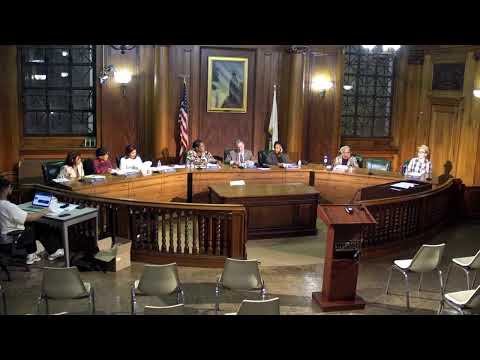
Superintendent Dr. Sonia Donnell led a celebration of graduation‑rate gains and school recognitions and then turned to the district's post‑secondary success work at the school committee meeting.
Donnell said several large high schools achieved significant increases in four‑year cohort graduation rates year‑over‑year, including a cited 100% rate at one school and double‑digit percentage‑point gains at several others. "I cannot take any credit for it. The principals, the students, the families, they did the hard work and the heavy lifting," she said, and called principals and building leaders forward to receive tokens of appreciation.
Athletics and robotics The committee recognized the Central High School girls basketball team and the High School of Science and Technology (Scitech) boys team for Western Massachusetts championships; coaches and student athletes introduced themselves.
Discovery High's robotics team — the Polybots — received a district highlight after winning the New England robotics competition, the first Springfield win in the event since 1992. Assistant Principal James Taylor and mentor Lauren Jefferson described how students from multiple majors (mechanical engineering, programming, media and graphics) worked on build, drive, programming and media teams. Team members provided technical details: the robot measured about 27 by 27 inches, 22 inches tall and weighed 97 pounds.
Post‑secondary success presentation and FAFSA District staff then presented a data‑driven update on post‑secondary outcomes. Key figures presented: - Average SPS graduate GPA: approximately 2.5 (a little higher than a C+). - Average SAT: about 870 out of 1,600. - Average absences: about 15 days per year. - FAFSA completion for the current senior cohort: 53% as of March 13, 2026; staff said they expect this to improve with targeted supports.
The post‑secondary team described outreach and supports to reduce "summer melt" (mentoring students through admissions, orientation, housing and registration) and noted disparities in persistence and completion for Latino and Black male students. Eric Griffith, post‑secondary success coordinator, said targeted mentoring and FAFSA/application assistance changed his own trajectory and are central to the office's strategy.
Why it matters Graduation‑rate gains affect school accountability and students' opportunities. Post‑secondary metrics highlight that while graduation rates are improving, persistence and college completion remain areas for continued work. The robotics and athletics recognitions underline district efforts to broaden college and career pathways.
Next steps District leaders said they will continue mentorship for recent graduates, expand early‑college opportunities where feasible, and report back on refined post‑secondary outcome analyses that separate early‑college participants.