Get Full Government Meeting Transcripts, Videos, & Alerts Forever!
Get email alerts on the School Finance topic
No spam. Unsubscribe anytime.
Superintendent warns district cash days could fall sharply; board urged to weigh levy timing amid uncertain data-center revenue
Summary
Oregon Board of Education leaders presented a five-year financial forecast March 16 showing tight cash-day projections and suggested expenditure reductions; they urged caution about relying on possible data-center payments and discussed levy options and timing for a potential fall ballot.
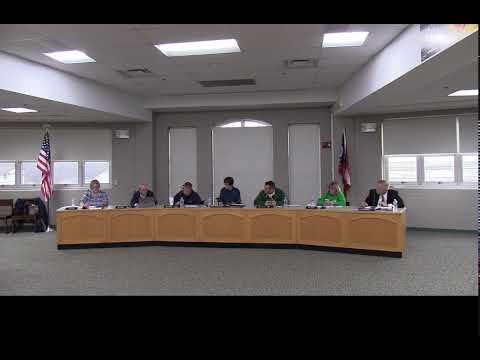
The Oregon Board of Education on March 16 heard an extended financial forecast from the superintendent and treasurer that showed the district's reserves could fall significantly without new revenue or reductions.
Superintendent Dr. Fritz said the district currently estimates about $52 million in revenue for fiscal 2026 and noted different simulations put the district's projected "true days cash" at widely different levels depending on assumptions. Treasurer Tracy Denia said a scenario with planned reductions would leave the district with about 70 true days of cash at the end of fiscal 2027, while an unadjusted forecast could leave the district with as few as 12 days by the end of fiscal 2028.
Dr. Fritz framed the choices bluntly: "If data center doesn't happen, we're gonna need new revenue," he said, and added that the district must balance revenue options with the political and timing risks of taking a levy to voters. He and the treasurer described a set of expenditure reductions staff plans to pursue that aim to minimize impacts on students, including using natural attrition instead of filling some positions, trimming certain third-party mental-health contracts, cutting most summer-school programming (except high-school credit recovery), and modest reductions in supply accounts.
The presenters estimated those cuts would produce $1.5 million to $2.0 million in recurring savings next school year and recommended the board consider options for additional revenue as a contingency. They also outlined a scenario that would move $5 million from a restricted 070 account back into the general fund, which, combined with a hypothetical successful levy, would materially improve the multi-year cash-day outlook.
On levies, staff reviewed local levy history and three primary levy options: traditional income tax, earned-income tax, and a real-estate millage. They presented estimates tying income-tax rates to equivalent real-estate millage and showed that the same revenue target could require higher millage in Oregon because local property valuations yield less per mill than some neighboring districts. Staff cautioned that the pending possibility of a data center bringing lump-sum payments and income-tax revenue to the district was not certain enough to be counted on for a fall ballot decision; they recommended the board consider the trade-offs and the needed election-timing steps over the next one to two months.
Board members asked procedural and timing questions but took no final vote on placing a levy on any ballot. Dr. Fritz said the board has a month or two to decide whether to pursue a fall ballot and that staff would return with more analysis if the board directs it.
Next steps: the board scheduled additional discussion at an upcoming work session and will consider levy timing and further financial analyses at future meetings.