Get Full Government Meeting Transcripts, Videos, & Alerts Forever!
Get email alerts on the Energy Efficiency topic
No spam. Unsubscribe anytime.
Moorhead council authorizes phase‑1 energy-efficiency project with McKinstry
Summary
The Moorhead City Council authorized phase 1 of a self‑funding energy‑efficiency and solar package with McKinstry on April 27, 2026. McKinstry estimates a $4–$6 million project that could cut city utility costs by roughly 16–23% and pay for itself through savings and incentives.
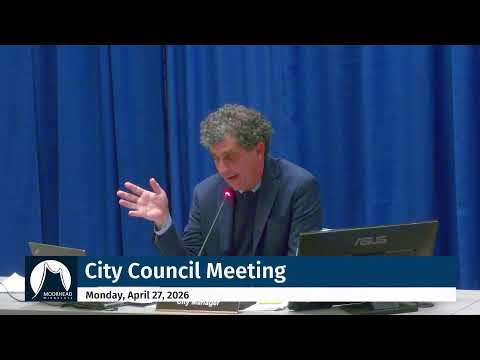
The Moorhead City Council voted April 27 to authorize phase 1 of a citywide energy‑efficiency and solar project with McKinstry, a national energy‑services firm. The council approved the authorization after a presentation describing a package of lighting, building‑envelope upgrades, commissioning, water efficiencies and rooftop solar prioritized for the new library.
McKinstry regional director John Neville told the council the city spends “a little over $1,000,000 a year in energy costs,” and that a base project could reduce utility spending by roughly 16–23%, saving the city about $165,000 to $240,000 annually. The firm presented a self‑funding financing model that would roll project capital into a tax‑exempt lease or other financing so the upfront cost would not require an immediate outlay from the city.
“Many of these improvements can be financed through the energy savings over time,” Neville said during the presentation. McKinstry also noted available federal investment tax credits it estimates at between about $600,000 and $2,000,000 for parts of the work, and positioned the project to maximize those incentives.
Council members asked follow‑up questions about site prioritization and feasibility. Council member Lisa Borgen questioned roofing and long‑term viability for Fire Station 2, saying she was “not sure that that would be the greatest investment.” Neville said specific sites were prioritized for economic viability and roof condition; he said the new library was a top priority because solar there could move that building toward near‑net‑zero performance.
Council member Heather Niesemeyer asked whether geothermal and vehicle/equipment electrification were considered. McKinstry’s Laura Malwitz said geothermal was reviewed but did not appear cost‑effective in this phase; the firm said future phases could revisit geothermal and municipal vehicle charging.
On financing, Neville explained that McKinstry helps arrange competitive, tax‑exempt lease financing with banks so the payments match projected energy savings and “there’s no dollars from the city to pay for the project over time” beyond the small initial contribution discussed.
Council member Niesemeyer moved to approve the phase‑1 authorization (item 18a); the motion passed on a roll‑call vote. The council will move to contract and final scope definition for phase 1 with McKinstry.
Next steps: staff will work with McKinstry to finalize the scope, verify financing terms and return to council with contract documents and implementation timelines. The council recorded the authorization in the consent of business conducted during the April 27 meeting.