Get AI Briefings, Transcripts & Alerts on Local & National Government Meetings — Forever.
Lawmakers press hospital executives on contracts that may limit patient choice
Loading...
Summary
A lawmaker questioned two hospital executives about whether insurance contracting in smaller markets locks patients into single systems, citing a DOJ probe into New York Presbyterian; both executives denied using contracts to 'lock' patients and said increased supply and competition are the remedies.
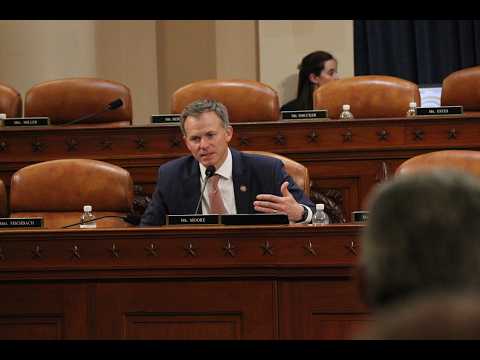
A lawmaker on a congressional committee pressed hospital executives on whether insurance contracts are being used to keep patients tied to a single provider system, saying the practice is anti-competitive and hurts affordability.
The lawmaker asked executives addressed in the hearing as Mr. Hazen and Mr. Lasseter whether hospitals in smaller markets use contracting tactics to "lock patients into one provider system, preventing them from shopping around." He cited a Department of Justice investigation into New York Presbyterian as an example of how even otherwise competitive markets can display anti-competitive behavior.
Mr. Hazen responded, "We, do promote a competitive marketplace. Most of the states we operate in are non certificate of need... Within our contracting, strategies, we do not use that tactic." Mr. Lasseter gave a similar reply, saying his organization operates across both competitive and concentrated markets and that "We do not use, the practice that you indicated as part of our contracting strategy." Both witnesses framed their remarks as denials of the specific tactic the lawmaker described.
The lawmaker followed up by asking how policymakers can prevent the practice from getting worse and whether contracts are being used to lock in patients. Mr. Hazen said greater competition and increased supply in a constrained market "creates opportunities for choice" and can help lower costs and improve convenience.
Why it matters: Lawmakers and policy analysts say contracting practices that limit patient choice can reduce competitive pressure on price and quality. The witnesses denied employing the tactic and pointed to market supply and competition as the primary remedies. No formal findings or policy actions were produced in the exchange.
The committee's questioning did not result in a vote or formal action; hearing discussion moved on to questions about health systems' investments in artificial intelligence.