Get Full Government Meeting Transcripts, Videos, & Alerts Forever!
Get email alerts on the Procurement topic
No spam. Unsubscribe anytime.
City outlines plan to speed vendor payments but says full fix depends on Opal rollout
Summary
Council members raised persistent vendor-payment delays; administration officials said root causes include contract nonconformance and fragmented invoice intake, and described near-term steps—a vendor management unit to triage issues and a longer-term Opal finance system go-live set for July 1, 2027.
Council members urged the administration to address slow vendor payments that strain small contractors and impede their ability to do business with the city.
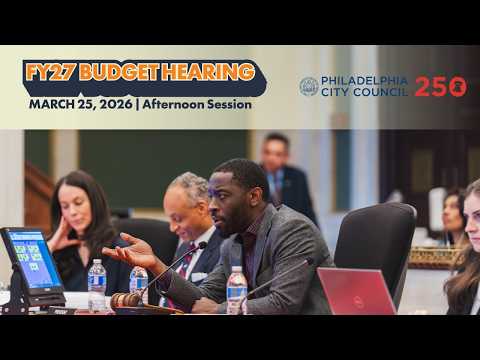
Councilwoman Nina Mann said very small vendors "can't sustain themselves" when city payments are delayed. A finance official acknowledged the problem and said the delays often result from contract conformance issues and fragmented intake processes—an invoice may arrive by email or mail and not be logged centrally until late in the process.
To address the problem the administration said it is standing up a vendor management unit to provide a front door for vendors to report and triage issues; a unit head was expected to start within about two weeks and four staff from a CMEA program are joining as boots on the ground. The official said finance will partner with procurement and provide conformance-rate data and performance metrics to council.
Officials also said a more durable fix depends on replacing legacy financial systems with Opal, a citywide finance and purchasing platform. The current Opal go-live date is July 1, 2027; officials said Opal should make payments more predictable and reliable, though it will not eliminate every problem and requires substantial training across 54-plus departments to avoid rollout setbacks.
Council members asked for a timeline and for written reporting on payment improvements; finance agreed to provide performance statistics and to follow up on communication and vendor-engagement plans.