Get AI Briefings, Transcripts & Alerts on Local & National Government Meetings — Forever.
Lewisburg Area SD hears budget update; board narrows tax‑increase options to about 1–1.9%
Loading...
Summary
District staff told the board the preliminary budget shows roughly $46 million in revenues versus about $47 million in expenses, leaving an approximate $500,000 gap. The board discussed capital transfers, roofing needs and technology choices and directed staff to prepare a proposed final for the next meeting.
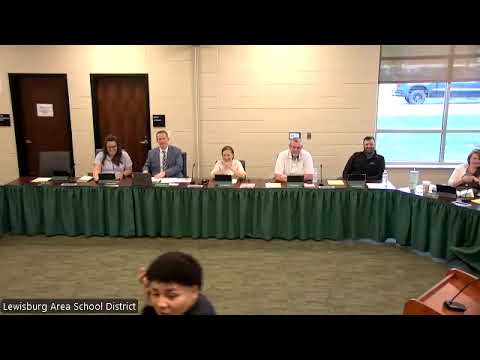
The Lewisburg Area School District board on Tuesday heard a detailed budget update from district staff that showed preliminary revenues near $46 million and expenditures near $47 million, leaving an estimated $500,000 shortfall.
The staff presentation outlined several adjustments since the original preliminary numbers: about $34,000 in personnel changes lowered expenditures, a transportation subsidy review added roughly $50,000, and anticipated changes to assessed values tied to an upcoming reassessment and appeals could alter revenue projections. Health‑insurance renewal projections were reduced from an originally budgeted 10% to roughly 4%, a change the board credited staff for negotiating.
"Our original preliminary budget was about $46 million in revenues and just over $47 million in expenditures, which gives us around a $500,000 deficit," the district budget presenter said, outlining the main drivers and the need to balance capital‑project transfers and tax‑rate choices.
Why it matters: the board must set a proposed final budget for its next meeting and adopt a final budget at the first board meeting in June. Staff presented multiple scenarios that trade off tax increase percentages and capital transfers: options discussed included a 0% increase with a smaller capital transfer, a 1% option, and a roughly 1.9% option tied to a larger capital transfer; the district also noted the theoretical upper bound under the Act 1 index.
Board members pressed staff on specific projects and timing, citing an extensive list of roofing and capital needs that, if postponed, could push costs into future years or risk warranty issues. Several trustees said they preferred starting with a modest number and revising downward if possible; others emphasized long‑term fiscal responsibility and the need to fund unavoidable projects.
The board also discussed technology procurement. The president asked whether the district would proceed with a MacBook Air configuration or consider a different model for savings. Staff said they were reviewing device options and would return with a recommendation at the next meeting.
Next steps: the board directed staff to prepare a proposed final budget reflecting the discussion and narrowed preferences (roughly between 1% and 1.9% as the likely range). The district will present a proposed final at the next meeting and vote on the final budget at the first June meeting.