Get Full Government Meeting Transcripts, Videos, & Alerts Forever!
Get email alerts on the Permitting And Regulation topic
No spam. Unsubscribe anytime.
DNREC lists 17 potential permits for SMRs and warns coastal review can be a showstopper
Summary
DNREC staff told the task force an SMR deployment could trigger up to 17 state permits or reviews (coastal zone, water allocation, NPDES, wetlands, air, etc.), with Coastal Zone Act review identified as a key threshold and mandatory public hearing process that can take 6–12 months.
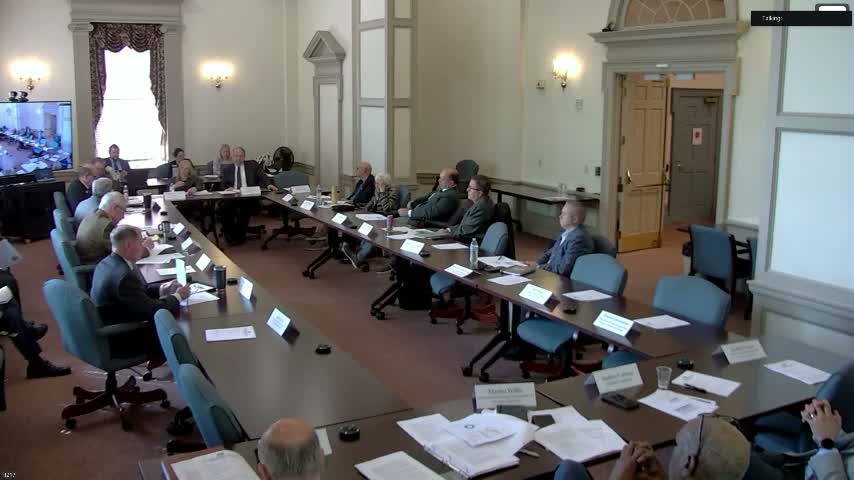
DNREC staff presented a detailed permitting inventory for small modular reactors on April 20 and flagged the coastal zone consistency review as a possible make‑or‑break threshold.
Michelle Jacobs, DNREC small‑business ombudsman, said staff identified about 17 potential state permits or reviews that could apply to an SMR project, ranging across DNREC divisions (coastal, water, watershed stewardship, air, and waste). "As we went through that effort, we identified, I think it was, 17 total, possible permits," Jacobs said.
Key permits and timing Jacobs described:
- Coastal Zone Act permit (Delaware Coastal Zone Act of 1971): status determination followed by permit if required; processing typically 6–12 months from administrative completeness; public hearing mandatory and review coordinated across DNREC subject‑matter experts.
- Federal consistency review (Coastal Zone Management Act of 1972): required when a federal license or permit applies; processing typically 60 days (or up to 6 months if a federal license is required); public hearings not required under federal consistency but state review applies.
- Water permits and allocations: well permits (≈2 weeks), large water allocations (>50,000 gal/day) can take 6 months–1 year; public notice/hearing rules vary by threshold.
- Wastewater permits, septic, NPDES and stormwater: time frames range from weeks (minor stormwater coverage) to 6–12 months (NPDES, large wastewater systems); public notice and hearings depend on the permit type and thresholds.
- Wetlands and subaqueous lands permits: typically 6–12 months with public notice; may require federal coordination.
- Air permits, boiler and pressure‑vessel inspections and other operational authorizations: timing varies; public hearings held by request or if public concern is high.
Jacobs emphasized that many permits can be pursued in parallel, but the Coastal Zone Act determination is a key initial screen because if a proposed activity is prohibited in the coastal zone, it would not make sense to pursue other permits. She also noted that applicants’ completeness, project complexity, applicant responsiveness, concurrency with federal agencies, and community engagement all influence timelines.
What staff will follow up on: Jacobs offered to check whether existing DNREC regulations would need amendment to explicitly accommodate nuclear projects, and to confirm whether multiple SMR units on one site would require separate coastal permits (she believed one application could cover multiple units on a single site but promised to confirm).
The task force requested DNREC provide clarifications on whether any existing regulatory definitions would need revision to support nuclear siting and whether the 14 previously designated 'grandfather' coastal sites could be repurposed for SMRs.