Get AI Briefings, Transcripts & Alerts on Local & National Government Meetings — Forever.
Council approves employee‑handbook change banning clandestine recordings of disciplinary meetings, 5–1
Loading...
Summary
After a lengthy discussion of legal exceptions and employee protections, the council adopted an employee‑handbook update that generally prohibits secret workplace recordings of disciplinary proceedings while preserving statutory and formal‑hearing exceptions; the motion passed 5–1.
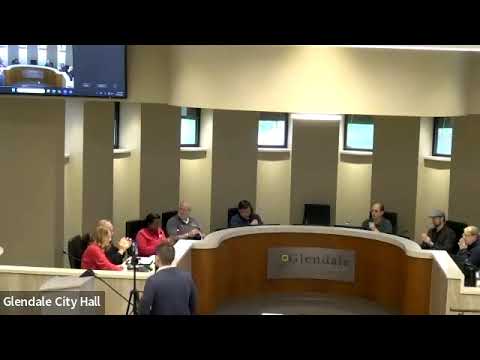
Council considered updates to the employee handbook that include a workplace‑recording policy intended to prevent clandestine audio or video recordings of disciplinary meetings. City Administrator Karl Warwick and staff reviewed the memo and described a targeted policy: recording is broadly prohibited in disciplinary settings to avoid uncontrolled public dissemination, but statutory exceptions (police recording requirements and formal quasi‑judicial hearings that require a record) remain.
Alderman Tamika Vukovich and others raised concerns about employee rights in a one‑party consent state and whether the policy could leave employees without protection when a recording would help substantiate claims of mistreatment. Vukovich said she worried staff might be ‘‘fired because they decided to protect themselves’’ by making a recording. Karl Warwick and the city attorney explained employees may request permission, and that for formal hearings a neutral transcriber or procedures produce an official record. The city also retains an internal approval channel (city administrator or police chief) for permitted recordings and typically includes a third‑party witness for sensitive disciplinary matters.
Aldermen debated enforcement and the risk that clandestine recordings could be edited or manipulated. After discussion the council voted to adopt the handbook updates; the clerk recorded the result as 5 in favor and 1 opposed.
The change establishes the general prohibition on surreptitious recordings in personnel meetings while leaving room for approved recordings in specified circumstances and preserving due‑process procedures for appeals.