Get AI Briefings, Transcripts & Alerts on Local & National Government Meetings — Forever.
Committee advances bill to shield child advocacy center records from public disclosure
Loading...
Summary
The House committee reported HB 10-52 favorably after testimony that forensic interviews, medical records and advocacy notes held by Child Advocacy Centers are being weaponized in civil matters; the bill would create a narrowly tailored public-records exception with in‑camera court review and protective orders.
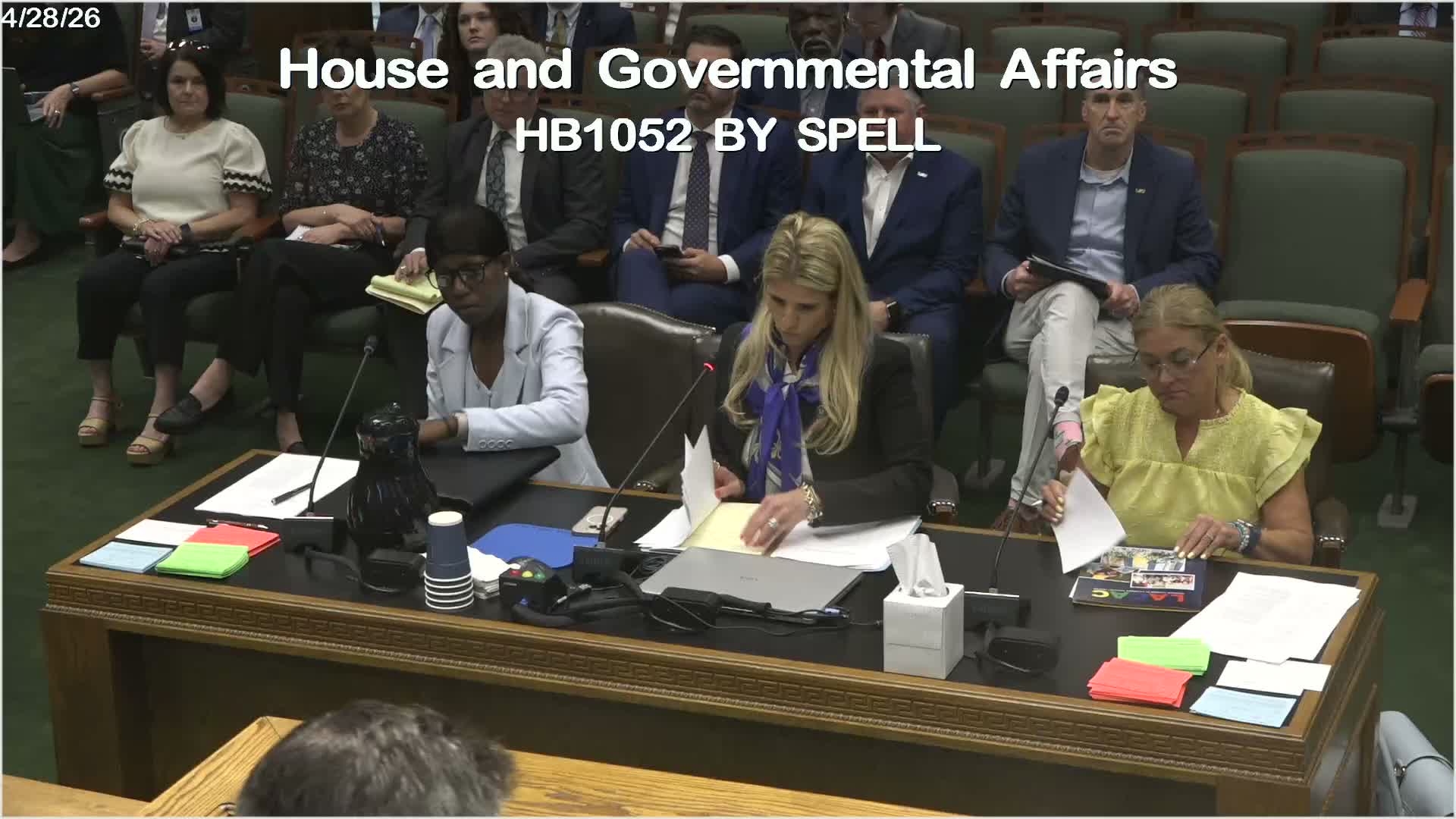
Representative Spell asked the committee to report House Bill 10-52 favorably; the bill would create a narrowly drawn public-records exception for work product created, received or maintained by Child Advocacy Centers and multidisciplinary investigative teams in child‑abuse investigations. "HB 10-52 is very intently focused on protecting the integrity of child abuse investigations," Spell said, explaining the bill seeks to align protections for CAC/MDT records with those already afforded to DCFS and law enforcement.
Lisa Lawson, who identified herself as board president of the Louisiana Alliance of Children's Advocacy Centers, said the bill would protect sensitive materials such as forensic interviews and medical records and described the in‑court safeguards already used. "Those records are first disclosed to the court for in‑camera inspection," Lawson said, outlining a process in which the court could issue a protective order limiting disclosure to attorneys identified in the order and requiring destruction or return of copies.
Kimberly Young, executive director of the Louisiana Alliance of Children's Advocacy Centers, told the committee her organizations frequently see "weaponization" of CAC records in civil litigation and urged protection for forensic evidence collected on behalf of law enforcement and DCFS. "We owe it to that child to protect what they tell us," Young said, noting CACs often host forensic interviews and collect medical records that were never intended for routine public release.
Members pressed for clarity that courts retain access when necessary; Lawson and Young repeatedly said the bill preserves in‑camera review and protective orders so judges and counsel may see records where needed. Representative Newell moved the bill favorably, saying the protections "will help protect our children from their abusers." The committee reported HB 10-52 favorable, with supporters and CAC representatives listed in the record as present to provide information.