Get AI Briefings, Transcripts & Alerts on Local & National Government Meetings — Forever.
Board of Zoning Appeals affirms emergency vacate for 1 East Main Street
Loading...
Summary
The Town of Newburgh Board of Zoning Appeals unanimously sustained an emergency vacate order for the commercial building at 1 East Main Street after staff and out-of-jurisdiction inspectors documented sloping floors and other unsafe conditions; the owner and contractor discussed hiring structural engineers and temporary mitigation measures.
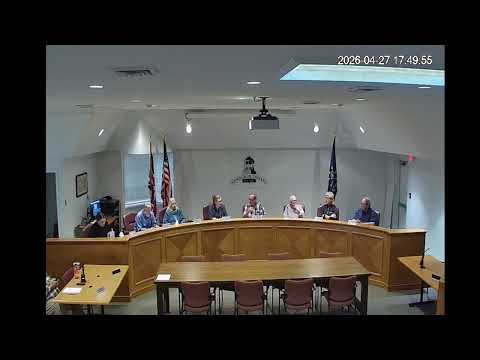
The Town of Newburgh Board of Zoning Appeals voted unanimously to affirm an emergency vacate order for 1 East Main Street after staff presented inspection findings that staff said showed unsafe structural conditions.
Chris Wisher, speaking for town staff, told the board the emergency authority was used because "the premises be vacated until such time as it is made safe" and that the hearing’s limited purpose was to review the necessity of that emergency action, not to set cleanup costs. Riley Jones, the town’s building commissioner and enforcement officer, said she inspected the building with an Indiana Department of Homeland Security inspector and Evansville building inspectors and identified pronounced floor slope and collapse risk. Jones told the board the inspections were done in late March 2025 and that those reviewers recommended closing the building to protect the public.
The owner’s contractor, Eric Thomas of American Escaping Construction, urged the board to allow temporary measures that would enable limited business activity while repairs are planned. "We're certainly willing to look at all options to be able to remedy that," Thomas said, offering temporary barricades, rerouting access to a side door and the prospect of bringing a structural consultant to define a scope. He said the owner needs a clear list of engineer recommendations before a reliable cost estimate can be produced and noted scheduling and insurance constraints can delay structural evaluations.
Board members and staff emphasized the need for a stamped structural evaluation. A board member and code experts explained that while a preliminary engineer report can identify performance requirements and an order-of-magnitude cost, any construction to restore public occupancy will likely require stamped plans and the applicable reviews (including design-release review by the Department of Homeland Security for commercial work and possible Historic Preservation Commission review for exterior changes). Staff said the town will review owner-submitted plans and may have its reviewer provide an independent check.
Wisher reiterated the narrow scope of the hearing: the board was to determine whether the emergency vacate order was necessary. After discussion, a motion to sustain the vacate order was moved, seconded and carried by unanimous voice vote; no roll-call votes were read. Staff said permitting and engineering follow-up will continue through the building commissioner’s office, and Riley Jones may release the vacate when required work is completed and verified.
Next steps identified at the hearing included the owner hiring or engaging a structural engineer to produce a stamped report and plans, submission of those plans for town review and any required historic-review or Department of Homeland Security design-release steps for commercial renovations. The board did not set costs or any specific deadlines at the hearing.