Get Full Government Meeting Transcripts, Videos, & Alerts Forever!
Get email alerts on the Parks Preservation topic
No spam. Unsubscribe anytime.
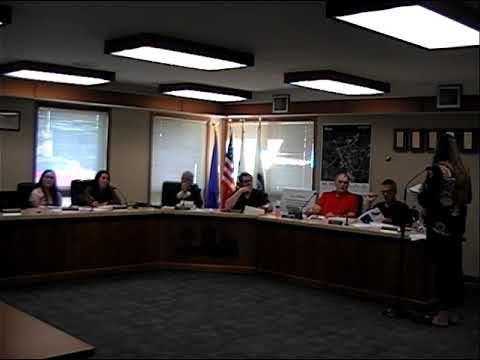
Morris council hears hours of public comment on Eastside Park preservation ordinance; no vote taken
Summary
After a full reading of a proposed ordinance to preserve Eastside Park’s tree canopy and green space, dozens of residents gave public comment both supporting and opposing the measure; the council closed the hearing without a motion to adopt, leaving next steps undecided.
Mayor Waller opened a public hearing and read in full a proposed ordinance titled “Preservation of Eastside Park,” which would require preserving at least 95% of Eastside Park’s green space measured against a 01/01/2025 baseline and restrict expansions that would reduce that percentage.
The ordinance text, read aloud by the mayor, allows repairs and replacements of existing park fixtures but not expansions that would reduce green space below the 95% threshold; it includes an enforcement provision allowing any group of five or more city residents to seek declaratory or injunctive relief in district court.
During the public-comment period, residents voiced strong views on both sides. Annette Watson told the council residents favored preserving the park’s mature trees and wildlife and called the ordinance a reasonable compromise between past proposals. Several neighbors, including Joel Aliyah, said their main concern about earlier playground proposals was the size of the project and the parking a destination playground would require. Parents and other speakers asked the council to preserve green space while noting a need for accessible play equipment and safer pedestrian crossings for children.
Organizers who circulated the petition defending the ordinance addressed questions about signature collection. A person who said they helped collect signatures said they read or showed the ordinance to signers and described their outreach as transparent. Criticisms surfaced as well: some residents said they learned of petitions only shortly before the meeting and questioned the outreach and explanation of the petition to the broader community.
Council members discussed options after public comment. One member said petition signatures do not equate to a majority of voters and favored putting the question to a citywide vote so all registered voters could decide. Ultimately, no motion to adopt the ordinance was made; the mayor announced the motion died for lack of a first or second and closed the public hearing. The council did not adopt the ordinance at this meeting, leaving the proposal’s next procedural step — whether to place it on a referendum ballot or bring it forward again for a motion — unresolved.
The council’s stated next steps were procedural: the hearing record will stand and council members may bring a formal motion in a future meeting or refer the ordinance to a special election. The meeting record includes extensive public-comment testimony both for and against the ordinance.