Get AI Briefings, Transcripts & Alerts on Local & National Government Meetings — Forever.
Hot Springs Board delays vote on proposed water and wastewater impact fees after data, equity questions
Loading...
Summary
The Hot Springs Board of Directors discussed proposed water and wastewater development impact fees but stopped short of a vote, citing uncertain permit data, confusion over staff charts and concerns about impacts on multifamily and affordable housing; staff will supply refined numbers and scenarios for future work sessions.
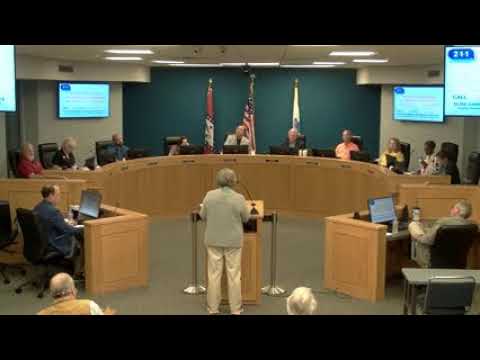
The Hot Springs Board of Directors discussed a proposed ordinance to adopt development impact fees for the city's wastewater (and companion water) systems but left the item on the agenda for further work after extensive questions about the supporting data and equity impacts.
Board members said they were not ready to adopt the ordinance after staff presented multiple fee scenarios and permit tallies meant to inform the fee-setting process. City Attorney (presenting the item) told the board the proposal had been discussed in prior work sessions and could be tabled again if members lacked consensus.
Why it matters: Impact fees are intended to pay for system capacity — not routine usage — and how the city sets those fees affects the cost of new housing, the economics of multifamily development and whether small, workforce units are discouraged.
What was said and proposed Bill Burrow, the city manager, summarized the packet and staff recommendations for making the ordinance ready for a business meeting. Director Webb focused on the raw data: "I think it was totaled 269 total permits" for 2023–2025 and asked how that figure translated into homes. Staff and board members noted many permits cover both water and wastewater, complicating a direct homes-per-year conversion; one working estimate discussed in the meeting put a rough three-year total in the low hundreds, with an annual build-rate estimate varying depending on how permits are counted.
City Attorney flagged the lack of a board consensus and urged caution: "Absent a consensus at your business meeting, perhaps the board might consider tabling it again in order to conduct yet another work session to get closer to resolution." Several directors agreed more granular data and clarified scenarios were needed.
Key technical disputes included whether the fee matrix should be tied to building square footage or to meter size (5/8-, 3/4-, 1-inch meters), and how to treat irrigation or commercial uses. Director Dodd Smith and others pushed for attention to meter-size categories, noting most city accounts are 5/8- and 3/4-inch meters. Directors also debated whether master-metered multifamily projects should be assessed unit-by-unit or by meter to avoid penalizing certain housing types.
At least one director warned that piling fees on individual units could discourage multifamily or workforce housing. Staff observed that master-metered developments also face higher incremental usage rates on monthly bills, which partially compensates for different fee treatments.
What happens next The board did not vote. Staff agreed to provide clearer, corrected scenario charts and more precise permit breakdowns in the next packet; the item will remain on the agenda and may be tabled to allow additional work sessions.
Clarifying details: Staff cited 269 permits across 2023–2025 (staff to verify breakdown by water versus wastewater); an internal comment referenced "96 homes under-billed today" in the system as part of ongoing data review. The ordinance is identified as O-26-07 and will return for formal consideration with amended scenarios and supporting data.
The board's continued review does not change existing service rules; it only postpones final action until the board can review corrected numbers and refined fee scenarios.