Get Full Government Meeting Transcripts, Videos, & Alerts Forever!
Get email alerts on the Labor Policy topic
No spam. Unsubscribe anytime.
Bloomington council repeals local earned sick-and-safe-time ordinance to align with state law
Summary
The Bloomington City Council voted 7–0 April 27 to delete the city's local earned sick-and-safe-time code, citing duplication with Minnesota's statewide law and declining complaints; staff said the city could draft a local ordinance again later if state policy changes.
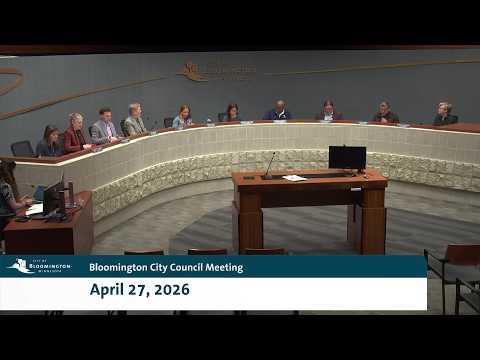
Mayor Tim Bussey opened the April 27 meeting and the council took action on changes to the city's earned sick-and-safe time code.
City Attorney Melissa Manderscheid and Compliance Manager Amir reviewed the ordinance history and the effect of the state's May 2023 earned sick-and-safe-time law. Manderscheid said Bloomington first adopted local rules in 2022 with a later effective date and amended the code in 2023; the state law subsequently went into full effect in 2024. Staff reported complaint counts have fallen—from 15 in 2024 to 12 in 2025 and three so far in 2026—arguing that the statewide law largely fulfills the program's purpose.
During council questions, members asked whether a full deletion would prevent future local adaptations if the state changes its approach. Manderscheid and Amir said the city could adopt a local ordinance later, but that resurrecting a repealed ordinance would require substantial drafting because state and federal benefits and definitions have evolved.
Council member Lowman moved to adopt an ordinance deleting city code chapter 23 relating to earned sick and safe time; Council member Nelson seconded. The council voted to adopt the repeal and then approved a resolution directing summary publication. The motion carried 7–0.
The council's action removes the local duplication with state law; staff advised waiting on any further legislative changes before considering new local measures. Council members who supported the deletion said it would reduce employer confusion and administrative duplication; at least one member expressed concern about the difficulty of restoring local protections later but said staff could return with options if needed.
Next steps: summary publication of the ordinance and continued monitoring of state legislative activity that could prompt future local action.