Get Full Government Meeting Transcripts, Videos, & Alerts Forever!
Get email alerts on the Public Health And Corrections topic
No spam. Unsubscribe anytime.
Senate requires offering pregnancy tests to incarcerated women, bars shackling in delivery in amendments
Summary
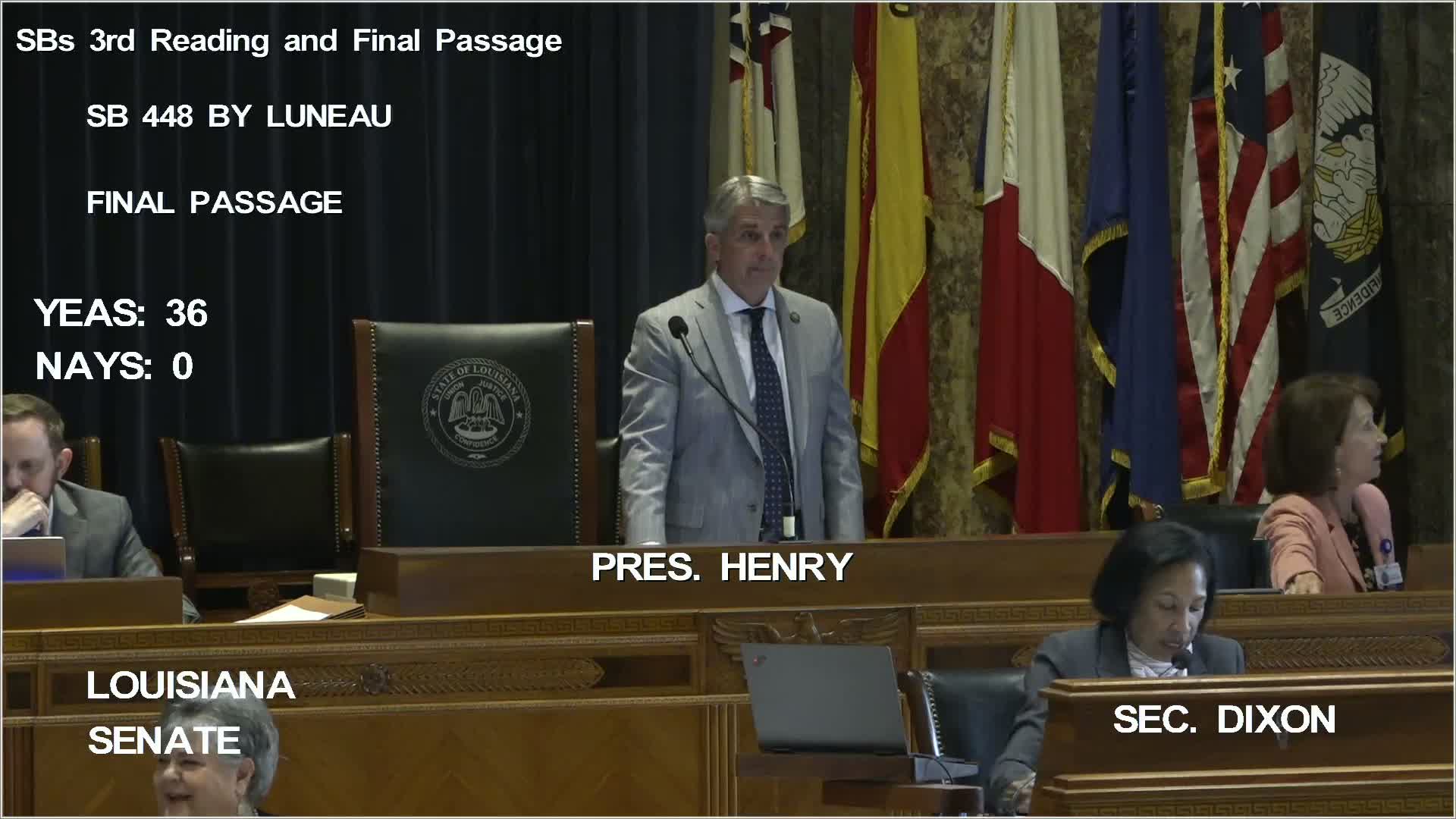
SB 470 passed unanimously (36-0) on April 20, 2026, after amendments requiring correctional facilities to offer pregnancy testing to women admitted to custody, permitting nonprofit or federal grants to fund testing kits, and addressing shackling during delivery; sponsor highlighted maternal and child health outcomes.
The Senate unanimously passed SB 470 on April 20, 2026, requiring that women admitted to local correctional facilities be offered pregnancy tests and providing related provisions, after adoption of amendments addressing funding and shackling during delivery.
Sen. Mizell, the bill sponsor, described the measure as a targeted response to issues raised in a legislative auditor’s report about treatment of incarcerated women. Mizell said the bill was narrowed to require offering, rather than mandating, pregnancy tests at intake and that if a woman tests positive there are procedures including drug testing and eligibility criteria for alternatives such as bond with participation in maternal overdose mortality programs.
An adopted amendment noted that a single pregnancy kit costs about $1.38 and allows nonprofits or federal grants to cover the minimal cost for facilities; Mizell said there are approximately 3,000 women held in local facilities statewide, making the program inexpensive to implement in aggregate. Floor language and amendments addressed a separate concern raised in the auditor’s report: shackling women during delivery. The sponsor and amendment proponents said the change addresses a practice they described as unacceptable.
Sponsors argued the measure supports maternal and child health and can reduce drug exposure at birth, while proponents cited examples of incarcerated women who entered care and subsequently became advocates. The bill passed on voice and recorded counts with the clerk announcing 36 ayes and 0 nays.