Get AI Briefings, Transcripts & Alerts on Local & National Government Meetings — Forever.
Committee advances bill to update Delaware EV rebate, removing fixed MSRP caps
Loading...
Summary
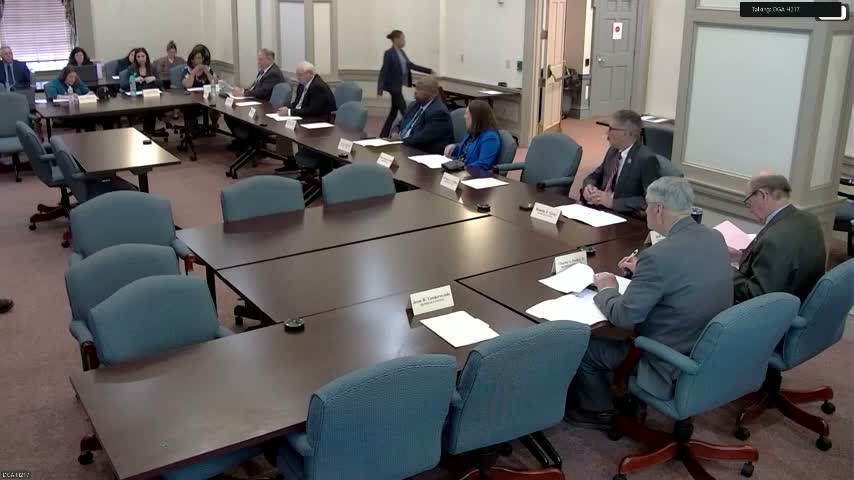
The House Natural Resources & Energy Committee moved HB 348 out of committee after a presentation by sponsor Sophie Phillips and testimony from Brianne Priesen; the bill would remove fixed MSRP and rebate caps to allow income‑targeted and market‑responsive EV incentives funded from RGGI.
Representative Sophie Phillips presented HB 348 as an update to Delaware’s existing electric‑vehicle rebate program, saying the measure would remove fixed MSRP and rebate caps so the program can respond to market conditions and offer targeted, income‑based incentives.
"HB 348 is an update to the rebate program that I codified in my first bill back in 2023," Phillips said, opening the discussion. She called the change necessary because "fixed caps become outdated quickly for vehicle pricing, federal policy changes, [and] supply shifts."
Brianne Priesen, Clean Transportation Program Manager at the Delaware Division of Climate, Coastal, and Energy, testified about how the program currently operates and its funding. "The rebate for our program is funded through the RGGI, Regional Greenhouse Gas Initiative," Priesen said, and added, "we have an allocated $4,000,000 a year per program round." She described current rebate levels: new battery electric vehicles under $40,000 receive $2,500; new vehicles with an MSRP of $40,000–$50,000 receive $1,500; used battery electric vehicles qualify for $2,500 (if they meet Kelley Blue Book fair market value); and used plug‑in hybrids receive $1,000.
Priesen said the proposal would let the program adjust rebates year to year based on market trends, vehicle prices and sales, and by learning from other states’ programs. She also described how the state could target higher rebates for low‑income residents through prequalification (for example, applicants who receive Medicaid, SNAP or TANF) and by working with participating dealerships so the rebate functions like a point‑of‑sale coupon and the dealership is reimbursed by the state’s third‑party administrator.
Committee members pressed on operational details and consumer impacts. One member asked whether the DMV’s separate EV registration fee affects the rebate program; Priesen and others said the DMV fee is distinct from the purchase rebate and is intended to recover lost gasoline‑tax revenue for road maintenance. Several members urged clearer public communication so constituents understand the net costs and benefits of rebates versus ongoing registration fees.
There was no remote public comment on HB 348 and no in‑person speakers signed up for this item. The committee moved to release the bill from committee for further processing; a roll call produced seven "yes" votes and the committee chair said staff would circulate the bill for signatures from absent members so it can be reported out once the required backers have signed.
What’s next: HB 348 was released from committee to be circulated for signatures and, if additional members sign, will be reported to the House for further action.