Get Full Government Meeting Transcripts, Videos, & Alerts Forever!
Get email alerts on the Housing NOFA topic
No spam. Unsubscribe anytime.
Stockton council reallocates remaining NOFA housing funds after hours of debate and public testimony
Summary
After hours of public testimony and a split vote, Stockton’s City Council rejected staff’s initial NOFA recommendations and instead approved an alternate allocation that funds a downtown workforce project (Bridal/“Bricks”), a veterans rehabilitation motel conversion (Alicia’s Place) and directs remaining funds toward a senior housing project (Danny Drive), with time‑limits and reporting conditions attached.
Stockton’s City Council redirected nearly all remaining dollars from its 2025 affordable housing Notice of Funding Availability on April 14 after a marathon meeting in which applicants, housing advocates and residents urged the council to prioritize projects that could deliver homes most quickly.
Council members spent several hours hearing presentations from five competing proposals and more than a dozen members of the public, then voted down the staff recommendations before adopting a substitute funding package. Councilmember discussions focused on project readiness, funding gaps, federal and state grant timelines and the risk that projects dependent on tax credits can stall for years.
The approved allocation funds the downtown workforce project commonly referred to in hearings as the Bridal (or “Bricks”) project at approximately $4.40 million; awards Alicia’s Place, a conversion of an operating motel into permanent supportive housing for veterans, $3.10 million; and directs the remaining available NOFA balance toward the Danny Drive senior housing proposal. Council members attached a two‑year encumbrance condition to certain awards, meaning council will re‑review allocations if projects have not achieved a defined threshold (such as a funding stack or construction start) within two years.
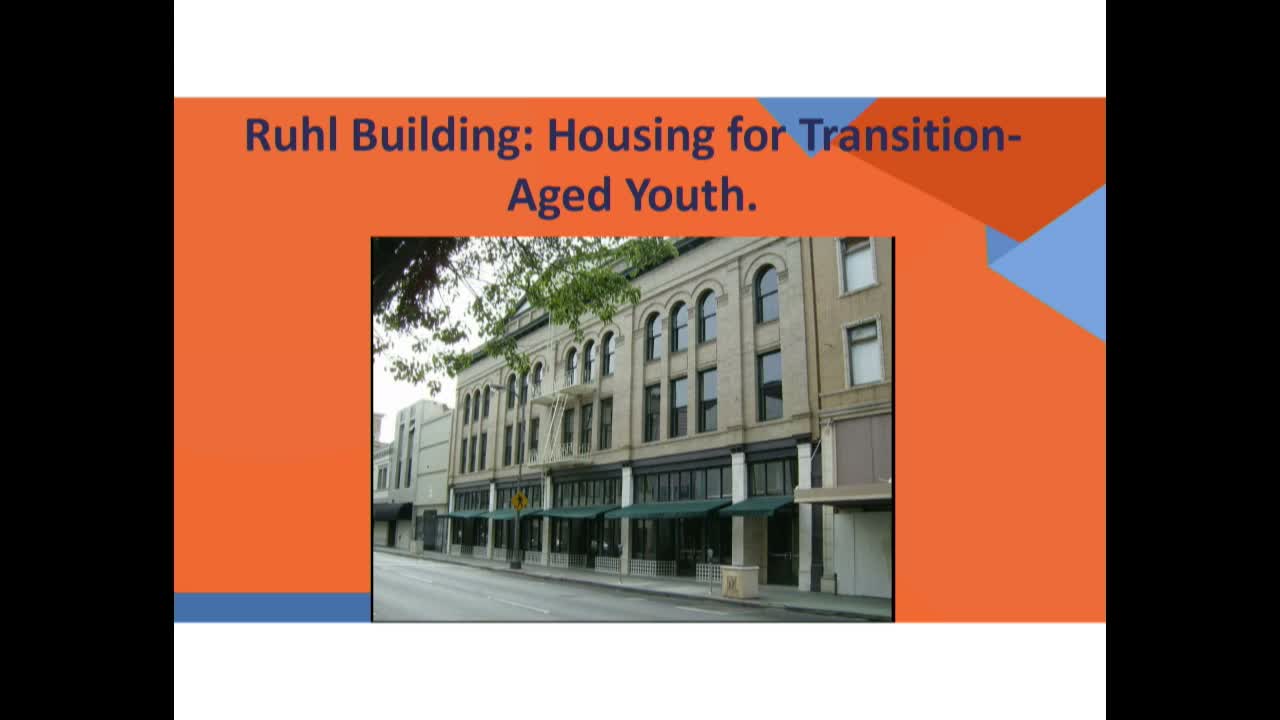
Applicants had given council varying accounts of readiness. Developers of the Bridal project and its designer told the council the proposal is permit ready and could begin construction within months if the full gap were closed. Other applicants, including the downtown Rule Building (youth transitional housing) and larger tax‑credit projects, emphasized that some funding gaps were tied to competitive state tax credits or federal Homekey awards; those funding streams are uncertain and can add months or years to start dates.
Speakers at the meeting included veterans who urged support for Alicia’s Place and downtown business and workforce representatives who argued the Bridal project would quickly provide workforce units near transit and downtown employers. Housing advocates and developers pushed back on what they described as an imperfect NOFA process but acknowledged the severe backlog of housing need in Stockton.
Council votes were narrow and at times contentious. An initial motion to adopt staff’s recommended allocation failed 4–3. A subsequent motion to adopt the alternate package passed (vote recorded in the transcript). Several council members said they wanted clearer data and stronger criteria for “shovel ready” versus “construction ready” and asked staff to return with progress updates and economic analyses of the projects’ ability to close final funding gaps. Staff said they would bring requested data on timelines, NEPA/CEQA status, and any state Homekey or tax‑credit application status to follow‑up sessions.
The approved awards do not eliminate oversight: staff and council members said underwriting, tribal and federal environmental (NEPA) steps, and final lender commitments remain preconditions to city fund disbursement. Council instructed staff to prepare standard forms of encumbrance language so that money not used to get projects to construction within the two‑year window can be reallocated to other eligible projects in a future NOFA.
Next steps for the approved projects include completing required federal and state environmental reviews, finalizing loan and grant commitments and returning to council for final loan documents and funding encumbrances. The council also asked staff to report back on lessons learned from the NOFA process and opportunities to build more explicit “shovel ready” criteria into future solicitations.
The council’s reallocation of the NOFA funds reflects a broader local tension: balancing faster, smaller projects that can deliver housing in months against larger tax‑credit developments that may produce more units but require long funding pipelines. Council members emphasized the urgency of producing housing quickly while trying to ensure public dollars are spent where they will actually produce homes.
The council will monitor progress and is scheduled to receive follow‑up briefings and any requests to encumber or reallocate funds over the next 24 months.