Get AI Briefings, Transcripts & Alerts on Local & National Government Meetings — Forever.
Board keeps differentiated-pay program but phases out sixth-grade premium with $500 one-time stipend
Loading...
Summary
Murfreesboro's board reapproved the district's differentiated pay plan for 2026–27, keeping hard-to-staff and instructional stipends but removing sixth grade from the hard-to-staff designation; the board added a one-time $500 phase-out stipend for current sixth-grade teachers and directed clearer annual notice to affected positions.
The Murfreesboro City Schools Board approved its differentiated pay plan for the 2026–27 school year on April 28, keeping the district's hard-to-staff and instructional stipends while removing sixth grade from the hard-to-staff list because those positions are currently filled.
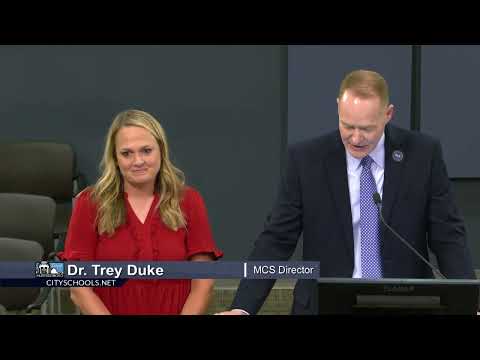
Director of Schools Dr. Duke said the district continues to certify hard-to-staff positions where vacancies persist (for example, special-education preschool teachers and certain behavioral roles) and retains retention pay for bus drivers and extra stipends for instructional duties such as academic coaches. "This is evaluated every year," Dr. Duke said, explaining the plan must be reapproved annually and submitted to the state.
Phase-out for sixth grade: Board member Karen Dodd moved to amend the plan so that, because sixth grade is no longer designated hard to staff for 2026–27, current sixth-grade teachers who remain in that assignment during the 2026–27 school year would receive a one-time $500 stipend (taxed as a stipend) as a phase-out of the prior $1,000 annual differentiated payment. Dodd said the stipend would be non-recurring and limited to the 2026–27 year. The amendment was adopted on a 5–2 roll-call vote.
Debate and context: Supporters framed the stipend as a modest, one-time compromise and as a communication equity issue — board members wanted staff to be clearly notified each year whether a position's differentiated pay will continue. Opponents cited fiscal constraints and the district's other reductions (including position eliminations by attrition), saying continuing any stipend beyond what the district can sustainably fund risks uneven treatment. "Bonuses are extra," one board member said; others noted the net take-home from a $1,000 bonus, when taxed, is considerably less.
Mental-health coverage discussion: During the budget debate that followed, a separate but related discussion considered restoring a vacant mental-health therapist position that had been removed by attrition. A board member moved to fund one therapist (estimated at ~$90,000 including benefits) and argued that counselors provide critical services; that motion was seconded but later withdrawn after discussion about reserves and the district's staffing plan.
Implementation and next steps: The board directed staff to clearly notify employees each year about whether differentiated-pay stipends will continue for the following school year. Dr. Duke said differentiated-pay stipends are paid outside of base salary and are typically issued as separate checks. The adopted changes take effect for the 2026–27 pay distributions and will be included in the board's annual submission to the state.