Get Full Government Meeting Transcripts, Videos, & Alerts Forever!
Get email alerts on the Budget topic
No spam. Unsubscribe anytime.
Scotia-Glenville board adopts $67.16 million spending limit, sets 1.78% tax-levy increase
Summary
The Scotia-Glenville Central School District board voted to adopt a $67,155,932 spending limit that produces a 1.78% tax-levy increase; administrators said consolidation and staffing changes will close a roughly $2.7 million gap while protecting core services.
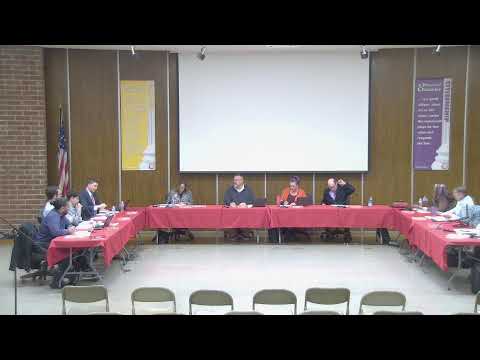
The Scotia-Glenville Central School District Board of Education voted to adopt a spending limit of $67,155,932 and set a tax-levy increase of 1.78% as the district’s 2026–27 budget framework, business official Drew Giacuento told the board.
Giacuento said the spending limit reflects changes since the board’s February draft, including roughly $2.7 million in budget adjustments made through revenue updates and expense reductions. “The spending limit that we presented, was $67,155,932,” he said, adding the figure generates a tax-levy increase of 1.78% and a projected tax-rate increase of about 2.54% driven in part by a local pilot reverting to the tax rolls.
Why it matters: district officials said the budget attempts to balance state aid limits, shifting assessed values and a cap on the tax levy. Giacuento warned that, without aid formula changes, the district and many others will face future budget gaps and projected a possible $2 million shortfall next year if aid remains unchanged.
Administrators described staffing and program adjustments tied to school consolidation and enrollment trends. Superintendent Susan Schwartz and administrators said consolidation from four elementary schools to three will allow repurposing of staff and preserve services; they reported an elementary classroom reduction that results in a net of three general classroom teacher layoffs (after reassignments) and a reduction of a single reading position. Officials said specialized supports—RTI groups, Wilson interventions and added partial FTEs for receiving schools—should absorb transferred students without a net loss of service.
The board discussed noninstructional changes as well. Giacuento said nearly 33 FTEs were identified in the draft reductions but noted that vacancies and outsourcing meant the staffing impact to current employees was smaller. He also described revenue changes that helped narrow the gap, including additional BOCES classroom rentals that added about $130,000 and revised subsidy figures.
Board members pressed administrators on the details of reductions, third-party contracts such as SRO and communications services, and fuel-cost assumptions. On a question about the transportation proposition language, community members had asked whether the proposed bus was electric; Giacuento stated, “It’s a diesel,” and the board agreed to clarify the proposition language to specify diesel fuel.
Procedure and outcome: a board member moved to adopt the budget and another seconded; the board approved the motion by voice vote. The board also approved the legal notice for the annual district election on May 19, 2026, and appointed the chief inspector for that election.
What’s next: administrators said parents and students will receive school-assignment notifications next week by ParentSquare and mail; they also noted tentative teacher assignments are largely complete. The district will present more detailed charts and follow-up information about staffing and contracts at future meetings.