Get Full Government Meeting Transcripts, Videos, & Alerts Forever!
Get email alerts on the School Staffing topic
No spam. Unsubscribe anytime.
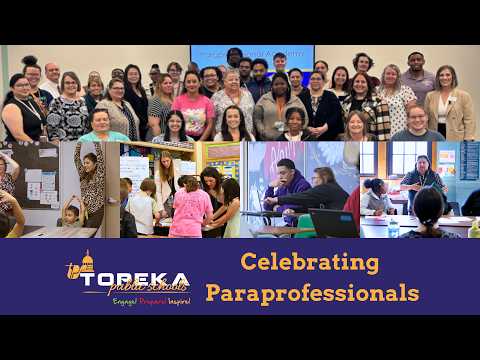
Paraprofessionals say they provide critical classroom support and career guidance
Summary
Four paraprofessionals told a public session that they provide academic help, language translation, emotional support and guidance toward technical and career programs, calling their role essential to student success. No formal actions or votes were recorded.
Several paraprofessionals spoke during a public comment-style segment to describe the range of supports they provide to students, from one-on-one academic help to language translation and emotional care.
They said their work often includes pulling students from class for targeted instruction, supporting English-language learners, and helping students connect to career and technical programs. "We are here for the kids," said Paraprofessional (S3), summarizing the group’s central message.
The paraprofessionals emphasized advocacy and relationship-building as part of their daily duties. Paraprofessional (S1) described advocating for students, creating a respectful and safe classroom environment, and helping students feel comfortable and supported. Paraprofessional (S2) explained specific instructional tasks: "I go into classes and work with students in their classes, supporting them with the work they're doing in class," adding that they work with individuals and small groups to improve reading, writing, listening and speaking skills.
One speaker highlighted postsecondary pathways as outcomes of the support students receive, citing TCAL and Washburn Tech as programs students pursue after receiving help. Paraprofessional (S4) said paraprofessionals "give them the tools to succeed in life so they can overcome any barriers," and pointed to technical education as an example of a next step for motivated students.
Speakers also addressed staff morale and teacher appreciation. Paraprofessional (S1) encouraged colleagues to "keep going, keep motivating the students" and said teachers are grateful for the role paras play; the speaker described the satisfaction of seeing students succeed.
No motions, votes, or formal decisions were recorded in the transcript. Funding, staffing levels and specific program details (for example, numbers of paraprofessionals employed or budget sources) were not specified in the remarks.
The public remarks concluded without a formal outcome; no next steps or board directives were documented in the transcript.