Get Full Government Meeting Transcripts, Videos, & Alerts Forever!
Get email alerts on the Water Use And Preservation topic
No spam. Unsubscribe anytime.
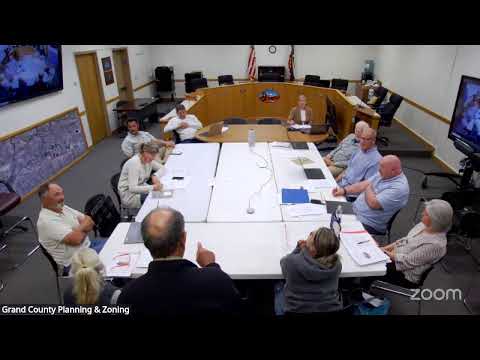
Grand County planning panel delays vote on water-use element, asks commissioners to submit detailed comments
Summary
Staff presented a 70‑page Water Use and Preservation element that treats water as a limit on growth, links land use and landscaping to water demand, and proposes projections through 2060. Commissioners asked for more time; the chair asked that written comments be sent to staff for consolidation ahead of a public hearing.
Grand County Planning Commission members spent the bulk of the meeting reviewing a proposed Water Use and Preservation element intended to become a new chapter of the county general plan. Staff described the draft as a data-driven chapter that ties population and land use patterns to water demand and recommends implementation steps, capital projects and funding paths to keep growth within available water supply.
The staff member presenting the element said the draft "uses better numbers and projections instead of mostly voltage lists," links land use and landscaping directly to water demand, and focuses on reducing outdoor irrigation — which staff identified as the largest municipal and industrial use of water. The presentation noted the element projects demand through 2060, uses scenario modeling to show how conservation can offset growth, and clarifies county versus water provider responsibilities. Staff emphasized the element is not a water master plan or conservation plan but is intended to meet new state requirements (citing recent state bills referenced in the staff report).
Commissioners raised competing views about scope and authority. One commissioner urged the panel to include climate and scientific context about the Colorado River and long‑term supply trends if the county will rely on demand‑reduction scenarios to allow additional development. Others said the draft is a careful expansion of prior work and defended moving it forward, noting the county does not control water rights and that some provisions deliberately avoid prescriptive measures reserved for water providers.
The commission did not take a final vote. Instead, Chair (S7) proposed a process to move forward: commissioners should submit written, line‑specific comments to staff (Andrew) by the end of the week; staff will consolidate and publish those comments with the next meeting agenda so commissioners and the public have two weeks to review them before a subsequent meeting and public hearing. Chair and staff identified the public hearing target as the day after Memorial Day (referred in the record as '26).
John Wieseide, a member of the public with long experience in Bureau of Reclamation comments, told the commission the draft is "basically a boilerplate document" and cautioned that basin‑wide constraints and limited funding mean the plan alone will not solve regional supply challenges. Commissioners thanked him for the remarks and encouraged continued public input.
Next steps: written comments to staff by the stated deadline; staff will consolidate feedback and publish it with the next agenda; the commission will consider consolidated comments at its next meeting before scheduling a formal public hearing.