Get Full Government Meeting Transcripts, Videos, & Alerts Forever!
Get email alerts on the Economic Development topic
No spam. Unsubscribe anytime.
Select Board rejects $13,000 downtown TIF grant after heated debate over guidelines
Summary
A divided Select Board voted 3–2 against approving a $13,000 downtown TIF grant for repairs to a law‑firm building, after members argued about precedent, clawback provisions and whether the advisory committee’s rubrics should be tightened before awarding funds.
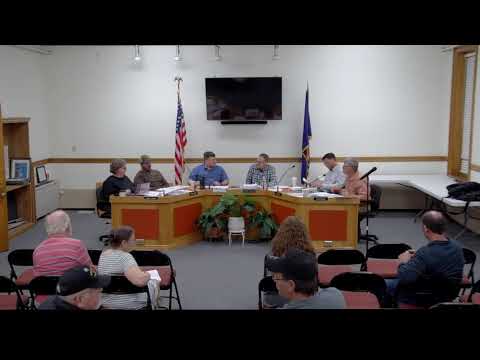
The Skowhegan Select Board on April 28 voted against approving a $13,000 downtown Tax Increment Financing (TIF) grant requested by attorney John Uni on behalf of Merrill Hyde, Fortier & Uni law firm, following extended debate over program rules and precedent.
Uni told the board the east‑facing brickwork on his building had deteriorated after storms and that contractors were ready to start on a low bid of $13,000. He said the firm had already taken steps to protect the sidewalk and roof and asked the board to reconsider the application after a prior narrow vote failed. “We’re asking for $13,000 so that we can repair that which is…not the bricks have some of the bricks are breaking,” Uni said in his presentation.
Board members who opposed the grant characterized the request as private property maintenance that could set a precedent of shifting long‑term upkeep costs from owners to town funds. One select member urged more stringent guidance from the TIF advisory committee, including match requirements, clawback or holding‑period provisions, and better reporting on whether past grants delivered community value. The advisory committee had unanimously recommended funding, and supporters said the application met the district’s eligibility rubrics.
After more than an hour of questions and public comment, the motion to approve the grant failed on a 3–2 vote. During concluding remarks, Uni said he was disappointed and warned that changing parameters while applications are pending is unfair to applicants; he told the board, in part, “I just hope that the next time you go to move goalposts…this is patently unfair to the citizens of Skowhegan.”
What happened next: the board noted it has a May 4 meeting of the TIF advisory committee and agreed to schedule a TIF educational workshop with the assessor and a state TIF official to clarify eligibility, match, and possible clawback options for future awards. Several speakers asked staff to bring data showing how past TIF grants affected downtown valuations and tax revenues.
Why it matters: TIF funds are contractually defined and intended to be used for a mix of downtown infrastructure and business assistance; how the town allocates those funds affects downtown property owners, future grant applicants, and broader town tax revenue over the long term.
Provenance: discussion and vote appear in the meeting record; the advisory committee’s unanimous recommendation and the board’s statutory 30‑day reconsideration window were discussed on the record.